If a stork has crossed your path, lingered near your home, or keeps showing up in your thoughts, there's a good chance it's carrying a message worth paying attention to. The stork is one of the most spiritually loaded birds in the world, tied across dozens of cultures to new beginnings, family, protection, and the arrival of something precious. This guide will help you figure out what your specific encounter most likely means, how to tell a stork apart from lookalike birds so you're working with the right symbolism, and what to actually do next.
Stork Bird Spiritual Meaning: Messages, Love, Birth, and Signs

Eliza Thornwick
18 Apr 2026
The stork's spiritual symbolism at a glance
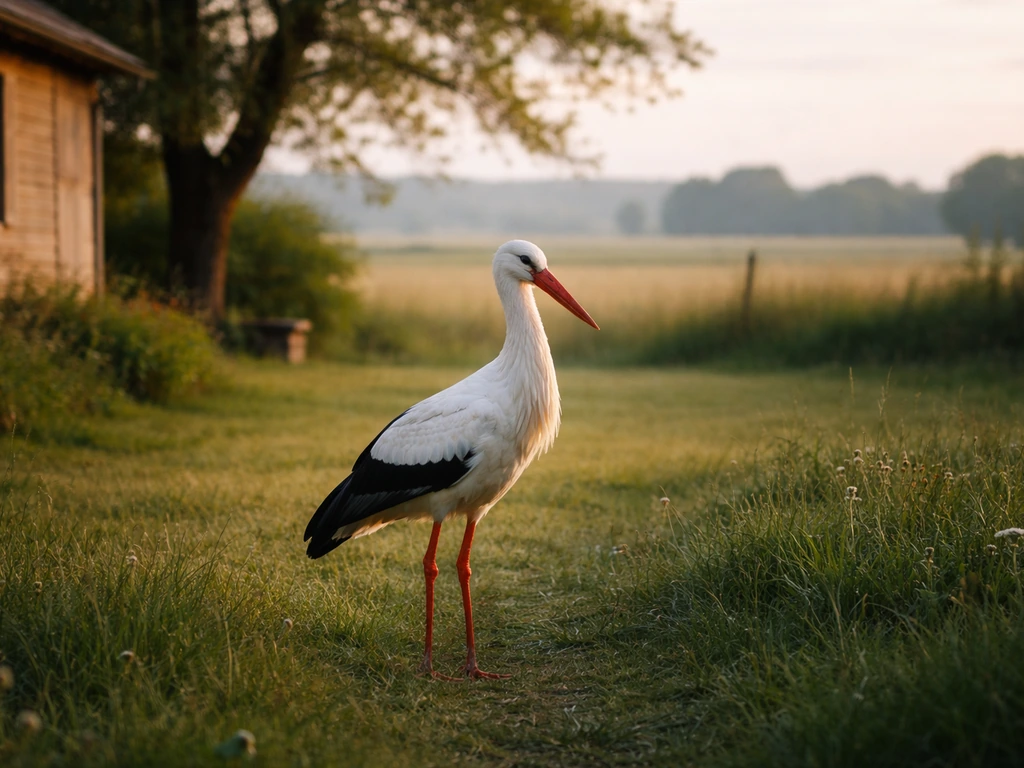
The stork sits at the intersection of two powerful spiritual themes: arrival and protection. Almost universally, across Central and Eastern European traditions, the Middle East, and parts of Asia, the stork is associated with bringing something new into the world. That "something" isn't always a baby, though that's the most famous angle. It can be a new chapter, a renewed sense of purpose, a relationship deepening, or a home becoming more rooted and secure.
In Slavic pagan traditions, storks were believed to carry unborn souls from a paradise realm called Vyraj back to Earth every spring and summer. That's a profound spiritual idea: the stork isn't just a symbol of birth, it's literally the bridge between the spirit world and the living world. In Kurdish oral tradition, storks are tied to spring blessings and overlap with mythic figures representing transformation and divine favor.
Across Bulgaria and much of Eastern Europe, having a stork nest on your property is considered active protection from misfortune and, in some beliefs, from "black magic. " That's not superstition for its own sake. It reflects a deep cultural intuition that the stork is aligned with goodness, light, and the generative forces of life.
If you want to go deeper into how similar birds carry their own distinct energy, the white stork bird spiritual meaning is worth exploring on its own, since the white coloring adds another layer of purity and divine messenger symbolism that's worth knowing about.
What a stork sighting is usually trying to tell you
Most stork encounters fall into a handful of core spiritual messages. Here's how to read the most common ones:
New beginnings and birth
This is the stork's most recognized spiritual signature. European folklore has portrayed the stork as the literal bringer of babies for centuries, and that story persists because it points to something real: the stork arrives in spring, full of energy, at the moment when the world is renewing itself. If you're pregnant, trying to conceive, or even just in a period of creative fertility (starting a project, launching a business, building something new), a stork sighting can feel like a direct confirmation that something is being born. The Natural History Museum's framing of white storks as long associated with "new life" captures this perfectly. It's not just babies. It's any life-force energy that's arriving.
Love and relationships
Storks are monogamous and return to the same nest and the same partner year after year. That kind of loyalty carries enormous spiritual weight. Seeing a stork, especially a pair of storks, is often interpreted as a message about commitment, faithful love, or the deepening of a partnership. If you're in a relationship that's at a crossroads, or you've been longing for a stable, rooted connection, the stork is nudging you toward that. It's asking: are you showing up with that same loyalty? Are you ready to build something lasting?
Home, family, and protection
Folk surveys in Poland have documented that stork behavior near a home is connected to beliefs about a happy year or positive changes for the household. A scholarly paper published in open access on PMC also summarizes Polish and broader European folk beliefs about storks, including interpretations of a stork arriving in spring as foretelling a “[happy year](https://pmc. ncbi. nlm.
nih. gov/articles/PMC11094895/)” and positive household changes. [Bulgarian folk belief is even more direct: a stork nesting near your home signals protection from harm. ](https://www.
mnhn. fr/en/white-stork) Spiritually, the stork represents the sacred container of family life. If you're making decisions about where to live, whether to start a family, or how to protect the people you love, a stork near your home is a meaningful sign to pay attention to.
Transition and messages from beyond
Because of the Slavic tradition of storks carrying souls between worlds, there's a longstanding belief that storks can act as messengers between the living and the spirit realm. If you've recently lost someone, or you're in a period of major life transition, a stork appearing feels less like coincidence and more like a reassurance: something new is coming through, and you're being watched over.
Reading your specific stork encounter
The context of how you encountered the stork matters a lot. A fleeting glance at a stork in a field carries a different weight than one that lands near you, lingers, or returns repeatedly. Here's a breakdown of the most common scenarios:
| Encounter Type | Most Likely Spiritual Message | What to Ask Yourself |
|---|---|---|
| Single stork sighting in the wild | A gentle nudge toward new beginnings or renewal | What new chapter am I resisting or waiting for? |
| Stork pair seen together | Love, loyalty, and deepening partnership | How am I showing up for my closest relationships? |
| Stork lingering near you or landing close | A direct, personal message or spiritual confirmation | What have I been praying or hoping for lately? |
| Stork returning repeatedly (days or weeks) | An urgent or important spiritual signal worth reflecting on seriously | What theme keeps surfacing in my life right now? |
| Stork building a nest near your home | Protection, abundance, and family blessings incoming | Am I creating the conditions for something new to grow? |
| Stork seen during a major life event | Validation that you're on the right path | Does this feel like a confirmation or a warning? |
One thing I always tell people: trust your gut reaction in the moment. Before you look up any symbolism, notice what you felt when you first saw the bird. Relief? Excitement? A sudden lump in your throat? That emotional first response is data. Your intuition is already interpreting the encounter before your analytical mind catches up.
Tracking timing and repetition: this is where it gets meaningful

A single stork sighting is lovely and worth noting. But if you're seeing storks repeatedly, or you started noticing them right as a big life question opened up, that's when you shift from "interesting" to "this deserves my full attention." Timing is one of the most underrated tools in spiritual interpretation.
Start keeping a simple log. It doesn't have to be elaborate. Just jot down the date, where you saw the stork, what you were thinking about or doing beforehand, and how you felt. After a few entries, look for patterns. Did every sighting happen in the week you were wrestling with a major decision? Did the storks appear every time you thought about a particular person or situation? That kind of correlation is spiritually significant.
Also pay attention to the season. Storks are migratory, arriving in spring and departing in late summer or fall. A stork sighting in early spring carries the full weight of renewal energy. A stork sighting in late summer, as they prepare to leave, might be more about wrapping something up, releasing the old, or trusting a transition. Spring sightings tend to be about arrival; late-season sightings tend to be about completion.
If you find yourself wondering whether any bird sighting is just coincidence or something more, it helps to understand how bird superstitions and good luck traditions have developed across cultures. That broader context makes it easier to decide how seriously to take any single encounter.
Stork vs. crane vs. heron: getting the right message
This is one of the most common mistakes people make, and it matters because these three birds carry genuinely different spiritual meanings. If you misidentify the bird, you're working with the wrong symbolism. Here's a quick way to tell them apart:
| Bird | Key Visual Markers | Flight Posture | Core Spiritual Themes |
|---|---|---|---|
| Stork | Large; white or black-and-white; long red or orange bill and legs; often near human settlements | Neck extended straight in flight | Birth, family, protection, new beginnings, loyalty |
| Crane | Tall; gray or white; red cap (in some species); prefers open wetlands and fields | Neck extended straight in flight | Longevity, good fortune, wisdom, grace, spiritual ascension |
| Heron | Slender; blue-gray or white; long S-curved neck; solitary; near water | Neck folded into an S-shape in flight | Patience, self-reliance, independence, inner wisdom, stillness |
The easiest field check: watch how the bird holds its neck in flight. Storks and cranes fly with their necks fully extended. Herons pull their necks back into a tight S-curve. If the bird you saw had that retracted S-curve neck in flight, you're almost certainly looking at a heron, and you'd want to follow heron symbolism instead. If you're drawn to the symbolism of other large, striking birds, the kestrel bird spiritual meaning offers a fascinating contrast, since kestrels represent focus and precision rather than the stork's themes of nurturing and arrival.
Storks also tend to be comfortable near human settlements in a way that herons and cranes typically aren't. If the large bird was hanging around a village, farm, or rooftop, it's much more likely to be a stork. That comfort with humans is itself spiritually significant: the stork is not a bird of the wild margin. It chooses to be near people, and that choice has meaning.
Unusual stork events: nests, storks near your home, and dead storks
A stork building a nest near your home
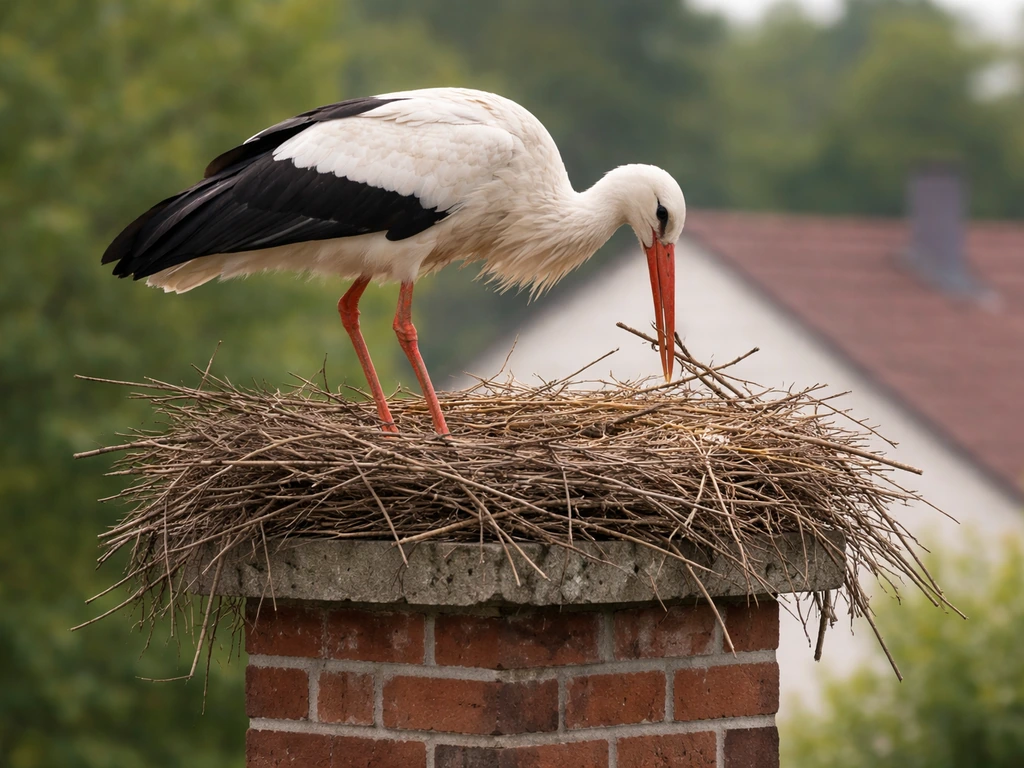
This is considered one of the most auspicious things that can happen, spiritually speaking. Across Central and Eastern Europe, a stork choosing your roof, chimney, or nearby tree is treated as an active blessing. Polish ethnographic records connect stork presence to beliefs about a happy year for the household. The Bulgarian tradition goes further and frames the nest as literal protection from misfortune. If a stork is nesting near you, the spiritual message is essentially: you have created (or are creating) the conditions for something new and good to grow. The bird is choosing you. Receive that.
A stork that keeps coming back or lingers unusually long
If a single stork keeps returning to the same spot near your home or follows you in some way, treat it as a persistent spiritual message rather than a coincidence. Ask yourself what's been unresolved in your life. Storks in many traditions are linked to the arrival of something that's already on its way. The lingering bird may be telling you that whatever you've been waiting for is close. Storks linger near births, near thresholds, near moments of great change. If one is lingering near you, a threshold is likely closer than you think.
Finding a dead stork
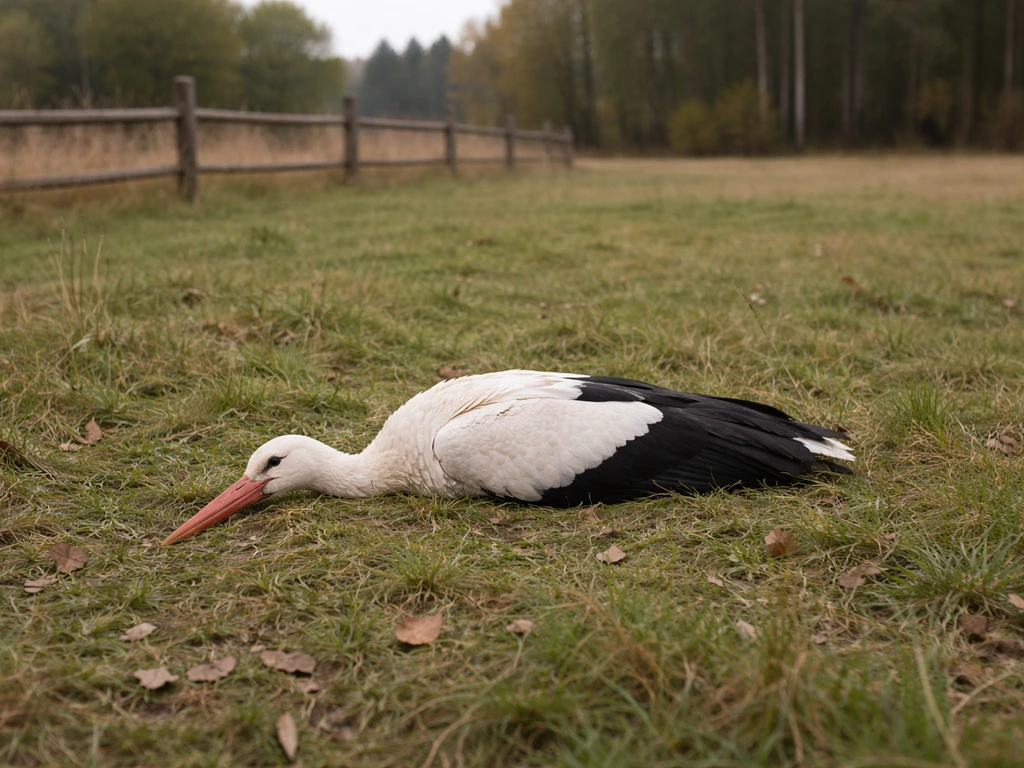
A dead stork is more unsettling to encounter, and it's worth being honest about that. In most spiritual traditions, a dead bird represents the end of one cycle, not necessarily something terrible, but the closing of a chapter. For the stork specifically, because it's so tied to new life and arrival, finding one dead can point to a new beginning that didn't materialize the way you hoped, or a period of waiting and grief before the next arrival.
It can also signal that something in your life that has been protective or nurturing is coming to an end, and it's time to find a new source of support. Honor the bird if you can (many people offer a small moment of acknowledgment or a simple prayer), and sit with the question: what am I letting go of right now?
What to do next: your practical guide to interpreting your encounter
Understanding the symbolism is only half of the work. The other half is personal reflection. Here's how to move from "interesting sighting" to genuine spiritual insight:
- Write it down immediately. Date, location, what you were doing, and your gut reaction. Don't over-interpret yet. Just capture the raw moment.
- Identify the dominant theme in your life right now. Are you in a period of waiting, starting something new, navigating a relationship, or trying to protect something you love? Match that theme to the stork's core symbolism.
- Notice the timing. Did the sighting happen right after a prayer, a conversation, a decision, or a moment of doubt? Timing is often where the message lives.
- Look for repetition over the next week or two. One sighting is worth noting. Three sightings in a short period is worth taking seriously. Keep your log simple: date, location, context, feeling.
- Ask yourself the right questions. What is arriving in my life? What am I being asked to protect or nurture? Is there a relationship or family matter that needs my attention? Am I resisting a new beginning?
- Use a journaling prompt. Try this one: "If this stork is a messenger, what is the most important thing it wants me to know right now?" Write without editing for five minutes and see what surfaces.
- Sit with cultural context but trust your personal response. Folklore and tradition give you the vocabulary, but the specific meaning for your life comes from your own intuition and circumstances.
- If the encounter feels significant, mark it somehow. Light a candle, spend a few minutes in gratitude, or simply make a mental note that you received something. Acknowledging a message helps you stay open to the next one.
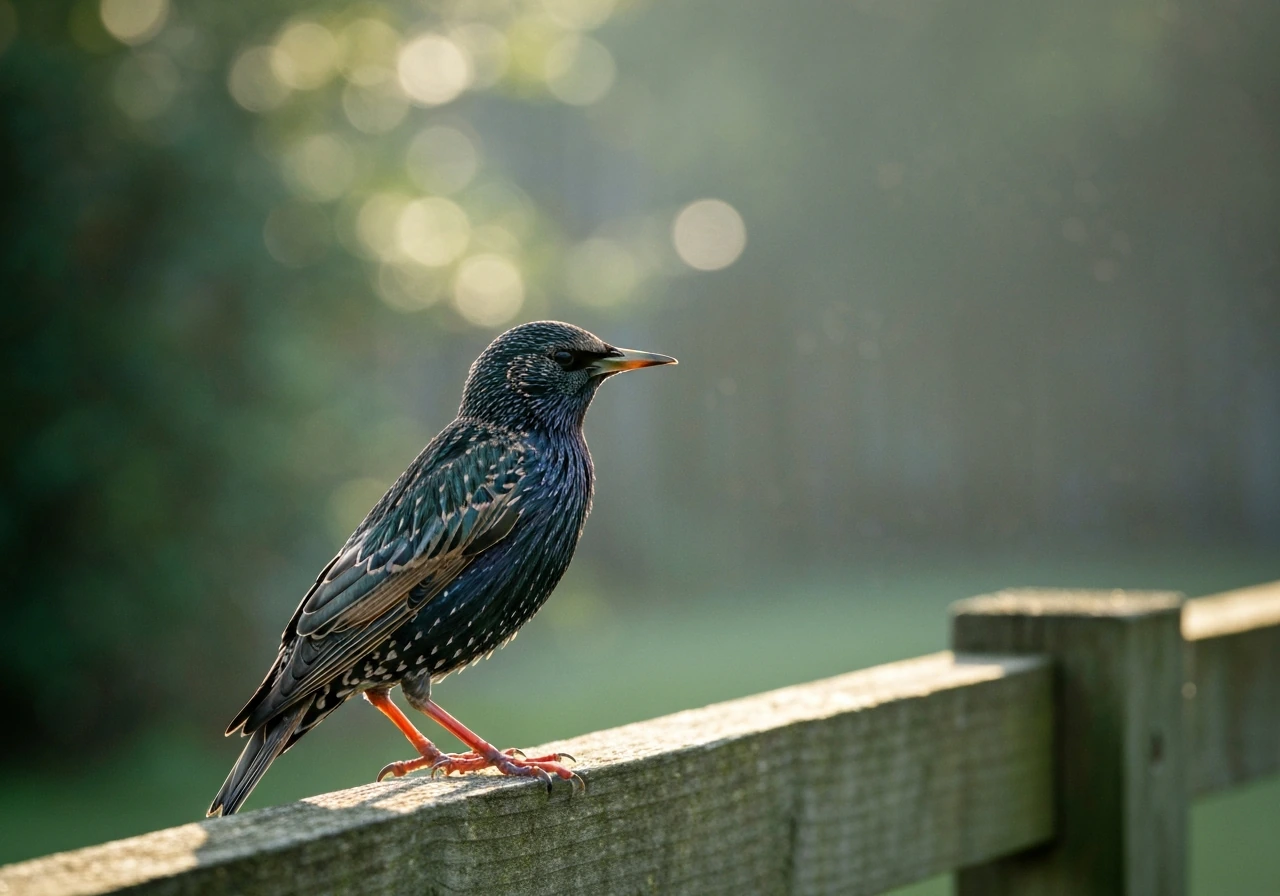
While you're doing this kind of bird symbolism work, it helps to understand how related birds carry their own distinct messages. The starling bird spiritual meaning, for instance, is much more about community, voice, and collective momentum than the stork's quieter themes of arrival and protection. Knowing the differences helps you apply the right meaning to the right bird. Similarly, if you've been seeing dark or iridescent birds alongside your stork encounters, the black starling bird spiritual meaning adds a layer of shadow, mystery, and transformation to consider as part of the broader picture.
Your quick-reference checklist for stork encounters

Use this to ground your interpretation when you're not sure what to make of what you saw:
- Confirm it was actually a stork (neck extended in flight, large bill, comfortable near human settlements)
- Note the context: single bird or pair, near your home or in the wild, brief or lingering
- Identify the timing: is a major life change, decision, or longing active right now?
- Check for repetition: one sighting vs. multiple sightings changes the weight of the message
- Match the core theme: birth/arrival, love/loyalty, home/protection, or transition/messages
- Log it with date, location, and your first emotional response
- Ask yourself what is arriving, what needs protecting, or what is being completed in your life
- For unusual events (nest, dead stork, persistent visits), give the encounter more reflection time rather than a quick answer
- Trust your gut: what did the moment feel like before you started interpreting it?
The stork has been a sacred bird across many cultures for thousands of years for a reason. It shows up at thresholds, at moments of arrival and protection, at the places where the ordinary and the sacred touch. If one has come into your awareness, whether in your yard, on a walk, or in a dream, it's worth pausing, paying attention, and asking what it's bringing.
FAQ
What should I do if I keep seeing a stork, but I do not want a “birth” message right now?
Use the “arrival” theme instead of limiting it to pregnancy. In many traditions, the stork’s new-life energy can mean a new job, healing, or a relationship shift. Ask yourself what area of life has been asking for a fresh start, then take one concrete step toward it within 7 to 14 days.
How can I tell whether the message is about love, home, or a personal life transition?
Let your focus before the sighting decide the topic. If you were thinking about commitment, timing, or loyalty, it tends to point to relationships. If you were evaluating safety, moving, or family responsibilities, it leans toward home and protection. If you were processing loss, endings, or a threshold decision, prioritize transition and guidance.
Is there a difference if the stork appeared in a dream versus in real life?
Dream encounters often compress meaning and emotion, so the key data is what you felt (comfort, urgency, grief, excitement) and what the setting represented. If the dream included a nest or your home, the protection and family themes usually dominate. If the dream emphasized flight or arrival, it often signals something “on the way” rather than something already settled.
What if I saw a large bird but I am not sure it was a stork?
Do not force the stork meaning. Re-check the flight posture first, storks typically hold a straight, fully extended neck, herons tend to retract their neck into an S-curve. Also consider proximity to people, storks are more comfortable around human settlements than herons or cranes. If you still cannot confirm, treat the sighting as a general “arrival and protection” prompt, not a specific prediction.
Does one sighting mean something different from repeated sightings?
Yes. A single encounter is often a gentle nudge, a “note this” moment. Repeated sightings usually indicate relevance to an ongoing decision or unresolved emotional theme, especially if the timing aligns with your stress, waiting, or planning period. In that case, make a small, measurable action plan for the next milestone.
What does it mean if a stork is nesting near my home, but nothing “new” is happening yet?
Nesting is often interpreted as creating the conditions for growth, not instant outcomes. Think of it as a seasonal promise. Pair the symbolism with practical preparation, improve the environment you want to flourish (stability, boundaries, support systems), then reassess after the nesting period stabilizes.
How should I respond if I find a dead stork?
Treat it as an end of a cycle, not an automatic bad omen. If the symbolism is landing on you, choose one meaningful release, a habit that drains you, a relationship dynamic that lacks safety, or a plan you need to revise. If you can, offer a quiet acknowledgment (a moment of respect or prayer), then focus on the next chapter with patience.
Can a stork message be “good luck,” or is it more about responsibility and change?
It can be both, but the practical side is usually the point. Many cultures frame the stork as protection and blessing, yet protection in spiritual terms often requires participation, setting intentions, repairing what feels unstable, and protecting your relationships. Use the sign to guide decisions, not to avoid them.
What if I only notice storks during certain months, does the season change the meaning?
Often. Spring sightings generally emphasize arrival, opportunities, and renewed energy. Late-season sightings can emphasize release, completion, and trusting that transitions are moving through you. If your sightings cluster in one season, align your actions with that phase, start or commit in spring, simplify or close loops later.
Should I tell others about the stork meaning, or keep it private?
If you are using the message for personal guidance, keep the most sensitive interpretation private until you have clarity. You can share only the general idea, like “I am focusing on new beginnings,” rather than specific predictions. If someone responds by dismissing or intensifying fear, it can skew your reflection and emotional intuition.
How do I avoid confirmation bias when interpreting stork signs?
Keep your log like the article suggests, then add one rule, write the neutral facts first (date, location, what you were doing), and only afterward label possible themes. After a few entries, look for repeated correlations, if there is no pattern, treat it as coincidence and shift from prediction to reflection.
Next Article
Starling Bird Spiritual Meaning: What It Means and What to Do
Decode starling bird spiritual meaning with real-life encounter meanings, journaling prompts, and a quick decision frame