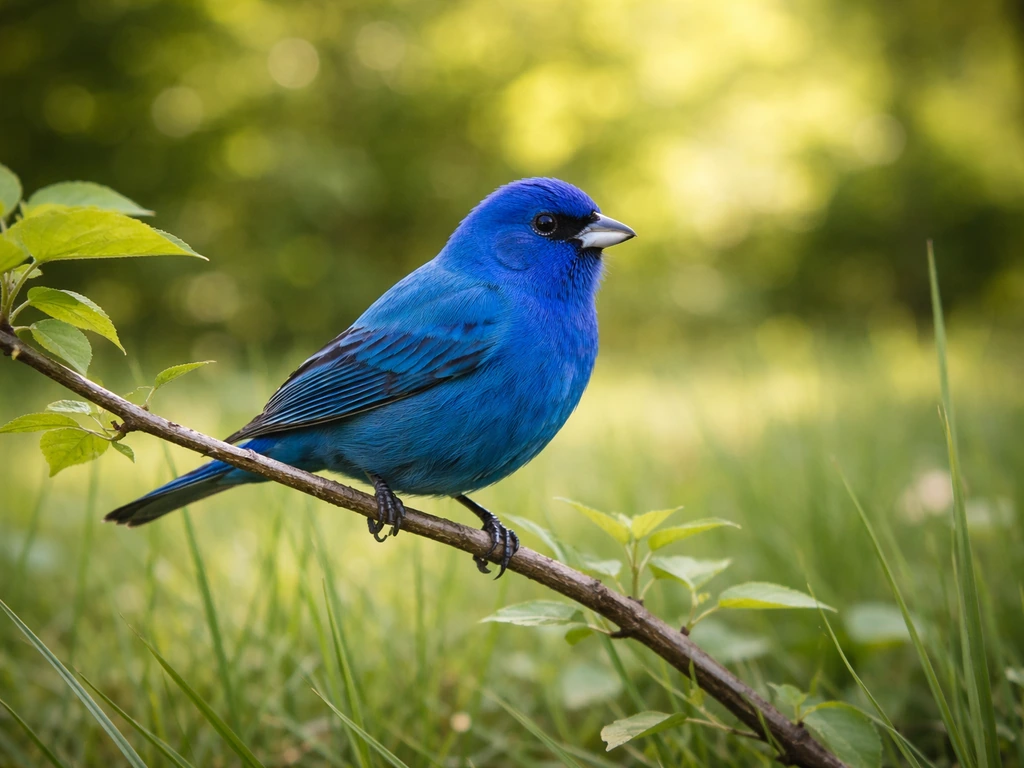
If you've been searching for the ibaka bird spiritual meaning, the most likely answer is that you encountered a canary or a canary-like bird. In Yoruba linguistic tradition, 'Ìbákà' is documented as the local name for the canary, described specifically as a 'talking-bird.' So if someone told you about the ibaka bird, or you heard the name in a cultural or spiritual context, you're almost certainly dealing with canary symbolism: joy, communication, creative voice, and the courage to speak your truth. That said, the name can also show up in regional, place-based, or historical contexts that have nothing to do with a specific species, so let's make sure you're working with the right bird before you chase a meaning.
Ibaka Bird Spiritual Meaning: Symbolism, Signs, and What To Do

Eliza Thornwick
21 May 2026
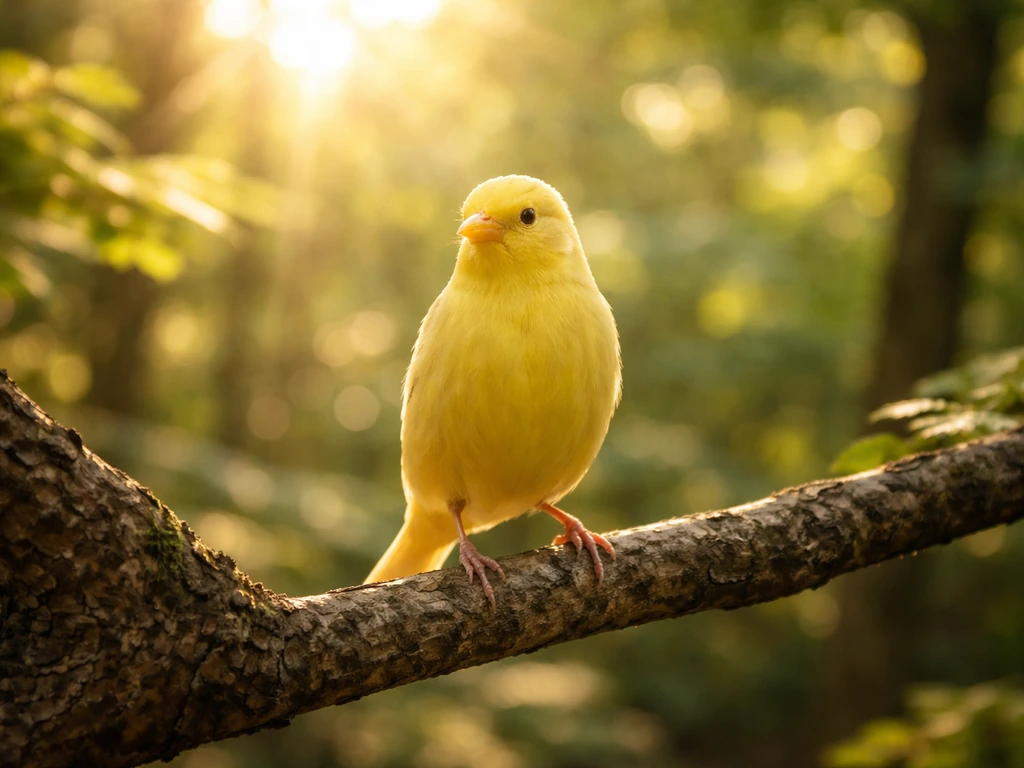
What 'ibaka bird' most likely refers to
The word 'ibaka' appears in a few different places, and it's worth untangling them quickly. In Yoruba language scholarship, Ìbákà is glossed directly as 'canary' and is highlighted as a bird known for its vocal ability, essentially a bird that 'talks.' That's the most spiritually relevant meaning for most people searching this phrase today. Separately, Ibaka appears as a place-name (Ibaka Town exists in Nigeria, for example), so the phrase 'ibaka bird' could theoretically mean a bird associated with that locality rather than a single species. There's also an older historical reference in Congo-land writings where 'Ibaka' appears as a proper name, but that's a stretch from the spiritual bird meaning most readers are looking for.
The safest assumption: if someone in a West African or Yoruba-influenced spiritual tradition told you about the ibaka bird, they almost certainly meant a canary. If you're working from a different cultural starting point, it's worth confirming which species you actually encountered before you run with a specific spiritual interpretation.
How to identify your ibaka bird encounter
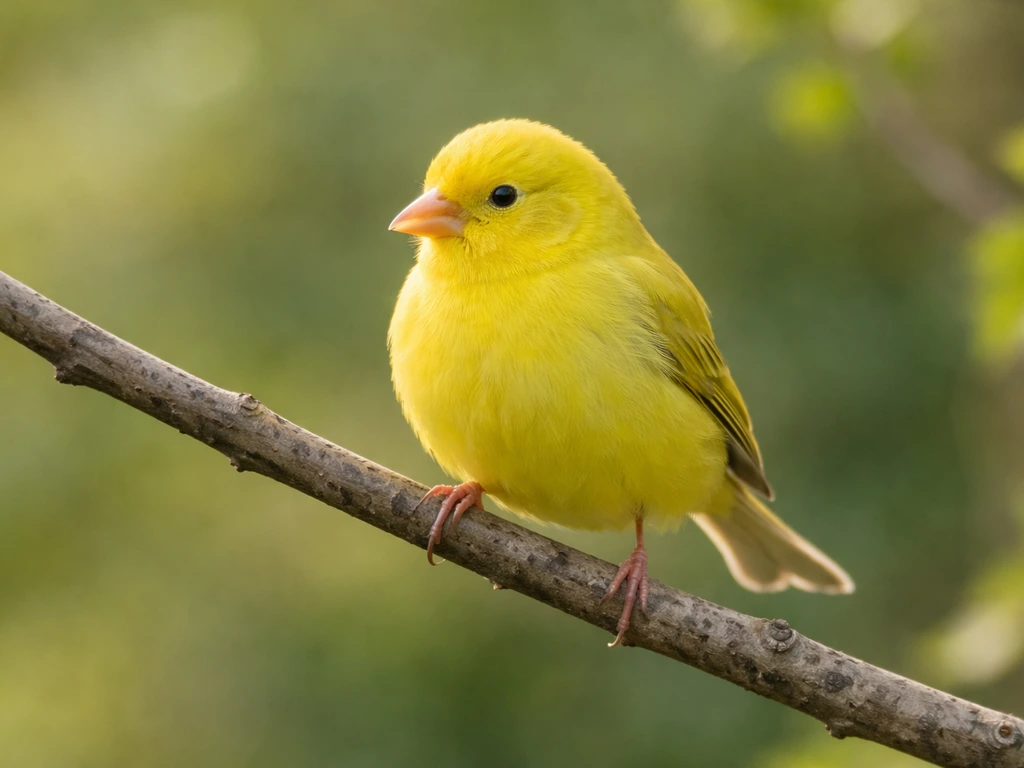
Before anything else, get the bird right. Spiritual meaning only lands when it's attached to the right species. A canary is small, typically yellow (though domestic canaries also come in orange, red, white, and green), and has a bright, sustained, melodic song. Wild canaries are native to the Canary Islands, Azores, and Madeira, but domestic canaries have escaped or been released in many regions. If you're in West Africa or a Yoruba-speaking area, the ibaka bird in local use is almost certainly a small, vocal, songbird.
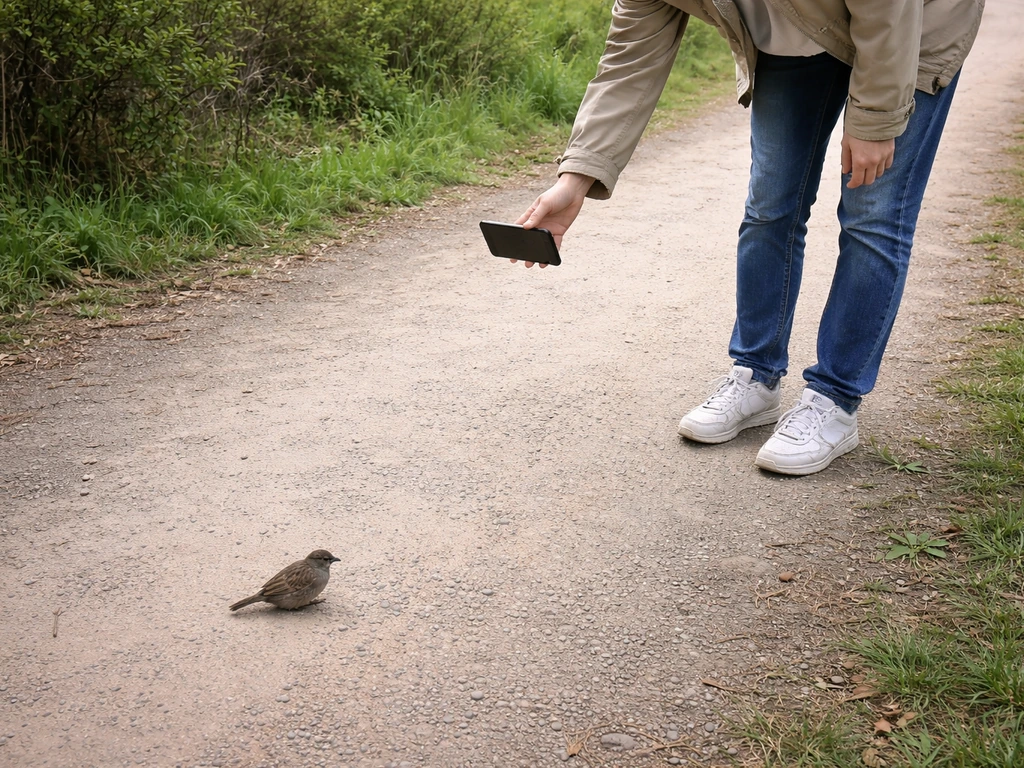
To confirm what you saw, use these practical steps. Photograph the bird from multiple angles if you can, capturing its size relative to something familiar, its beak shape, and any distinctive markings. Record its call on your phone if it's still around. Audubon recommends learning vocalizations as one of the most reliable identification tools, and apps like Merlin Bird ID can match a recorded song to a species in seconds. Your geographic location matters too. A small yellow-green bird in West Africa is much more likely to be the ibaka canary than the same bird spotted in northern Canada.
- Note the bird's size (canaries are about 4–5 inches long, roughly sparrow-sized)
- Look at the color: yellow, olive-green, or yellowish-orange are all common canary shades
- Listen to the song: canaries produce sustained, rolling, complex melodies unlike most wild birds
- Record the location and time of day you spotted it
- Use iNaturalist or Merlin to upload a photo or sound clip for a community ID confirmation
Core spiritual symbolism of the ibaka bird
Once you've confirmed you're working with a canary or ibaka-type bird, the spiritual symbolism is rich and consistent across traditions. The defining characteristic of this bird is its voice. It sings constantly, freely, and beautifully, and that's where almost every spiritual tradition draws its meaning. The ibaka bird, as a 'talking-bird' in Yoruba cultural knowledge, is fundamentally about communication: messages being sent, words needing to be spoken, or a reminder that your voice has power.
Birds in general are widely understood across spiritual traditions as divine messengers, intermediaries between the earthly and the unseen. Learn Religions describes the spiritual motif that birds can act as “divine messengers” or signs/omens across many belief systems blank" rel="noopener noreferrer">divine messengers” or spiritual signs/omens. Canaries in particular carry themes of joy, creative expression, and optimism. Their bright yellow color links them to solar energy, clarity, and mental sharpness in many symbolic systems. If you've been holding something back, staying quiet when you should speak, or feeling creatively blocked, the ibaka bird arriving in your life is a pointed nudge. For a deeper look at the indigo bunting bird spiritual meaning, consider how its symbolism overlaps with themes of communication and guidance ibaka bird. Say the thing. Sing the song. Share the idea.
There's also a protective and guiding dimension. Canaries were famously used in coal mines as early warning systems because of their sensitivity to danger. Spiritually, this translates into the idea that this bird is a sentinel, an early messenger that something in your environment needs attention. It doesn't mean danger exactly, but it does mean: pay closer attention right now.
What the specific behavior tells you
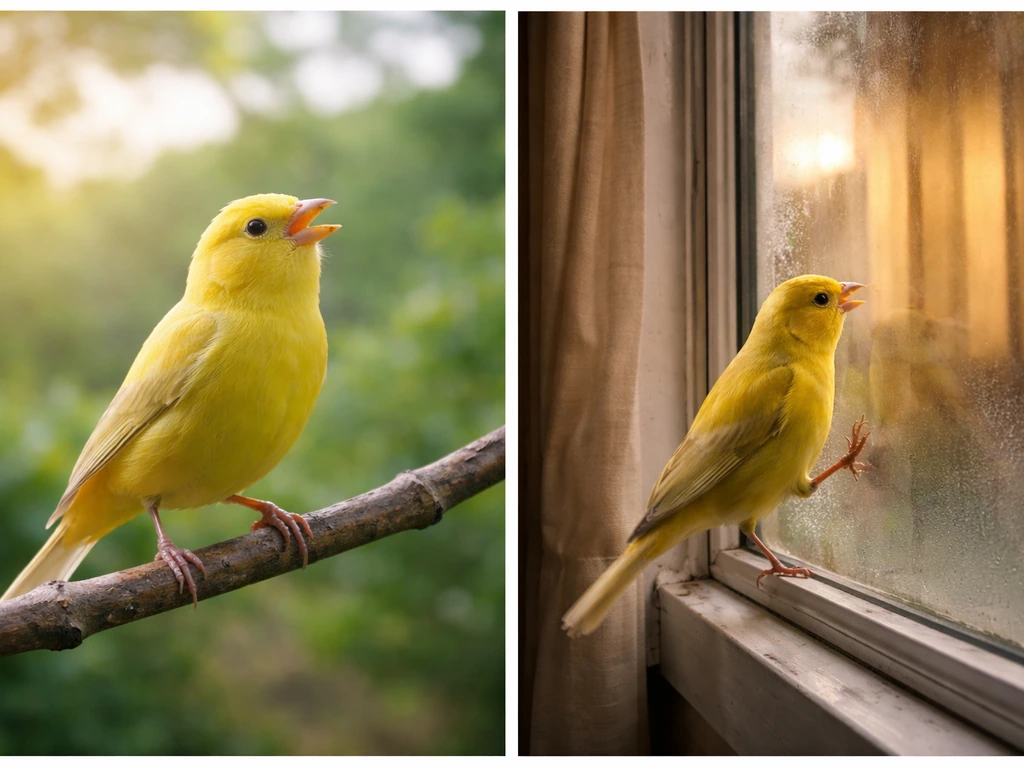
The way the bird showed up matters as much as the species itself. A canary sitting calmly on a branch singing is a very different message from one tapping your window at dawn. Here's how to read the behavior:
| Behavior | Likely Spiritual Message | Practical Note |
|---|---|---|
| Bird lands on you | Strong personal message: your voice, creativity, or communication is being highlighted directly for you | Rare and significant; take time to journal immediately after |
| Bird taps or hits a window | A message trying to get through; something you're not seeing clearly yet | Check for window reflections first (birds often see sky/trees in glass); a physical cause doesn't cancel the spiritual prompt |
| Bird nests nearby | Stability, new beginnings, or something being built in your life | A positive omen; connected to home, family, or creative projects |
| Bird calls loudly at night or dawn | Urgent communication; a message from spirit or your own intuition demanding attention | Canaries are diurnal, so unusual calling hours make the encounter more noticeable |
| Bird appears repeatedly | A sustained message or theme you're meant to explore over time | Track dates, times, and feelings in a journal to find the pattern |
| Bird behaves oddly or erratically | Disruption or change in your environment; a call to stay alert | Observe without panic; erratic behavior can also have physical causes (illness, disorientation) |
Window encounters deserve a special note. From a purely physical standpoint, birds hit windows because they see reflections of trees or sky and don't recognize the glass as a barrier. Cornell Lab's All About Birds explains this clearly. The spiritual community doesn't require you to ignore the physical explanation. In fact, many spiritually grounded people I've talked to hold both truths at once: yes, the bird saw a reflection, and yes, something in that moment felt like a message. You can address the physical cause (putting decals on the glass to break up the reflection) while still sitting with what the encounter stirred in you.
What to do right now: reflect, journal, and ground yourself
You don't need a ritual or a ceremony to make meaning from a bird encounter. What you need is a few minutes of quiet and a willingness to ask honest questions. Here's a simple process you can do today.
- Sit quietly for five minutes as soon as possible after the encounter, ideally in the same space or outdoors
- Write down exactly what happened: the time, location, what the bird did, and how you felt when you saw it
- Ask yourself: what was on my mind in the hours before this encounter? What have I been avoiding saying or doing?
- Notice whether the canary's defining quality (its voice, its song) connects to anything happening in your life right now
- Write one sentence completing this: 'If this bird was a message for me today, it might be saying...'
- Close with a grounding breath: inhale for four counts, hold for four, exhale for four. This keeps you present rather than spinning into overthinking
Journaling over time is genuinely useful here. If the ibaka bird or canary keeps appearing, tracking the pattern in writing often reveals themes you wouldn't notice otherwise. Dates, emotional states, what you were working through, what changed afterward. The meaning becomes clearer in retrospect. If you want to go deeper into the uppan bird spiritual meaning, look for the same themes of voice, communication, and renewal ibaka bird. You might also find it helpful to meditate briefly on the color yellow or the sound of birdsong as a way of staying connected to the encounter's energy.
How culture and personal context shape the meaning
There is no single universal rulebook for bird spiritual meaning, and anyone who tells you otherwise is oversimplifying. The ibaka canary carries communication and joy symbolism in Yoruba-influenced traditions. But in Celtic traditions, small songbirds are often linked to the soul's freedom. In Christian symbolism, a caged canary set free represents spiritual liberation. In Eastern philosophy, yellow birds are connected to solar chi and mental clarity. Audubon's own documentation of bird superstitions notes that the same species can be 'lucky' in one culture and an omen of caution in another.
Your personal history with this bird matters too. If canaries were in your grandmother's home, an ibaka bird encounter might carry a deeply personal ancestral message that no general guide can fully capture. If you've been drawn to the color yellow or to music lately, the bird's arrival might be amplifying something already active in your inner landscape. This is why I always encourage people to use cultural symbolism as a starting point, not a conclusion. Let the tradition give you a framework, and then let your own intuition fill in the details.
It's also worth noting that similar themes show up across different bird types. The oriole family, for instance, carries strong themes of joy and creative energy that overlap meaningfully with canary symbolism. In some traditions, an oriole bird is also read through spiritual symbolism tied to joy, creativity, and communication oriole family. If you're drawn to exploring bird spiritual meanings more broadly, you'll notice these threads connecting across species. The brown bird spiritual meaning is often tied to grounding, stability, and a reminder to stay connected to the earth and your inner values.
What not to do: safety notes and keeping fear in check
A few important boundaries, because the internet is full of fearful bird omens that can turn a beautiful encounter into anxiety. Let's clear those up.
If you found a dead ibaka bird
Do not touch it. The CDC is direct on this: do not handle dead wild birds with bare hands. Dead birds can carry pathogens including West Nile Virus, and state health guidelines (such as those from Massachusetts) recommend using gloves, double-bagging, and following local disposal instructions. If there's a dead bird surveillance program in your area, reporting it may be helpful. Spiritually, a dead bird is sometimes interpreted as the end of a cycle, a threshold, or a completed chapter, but that meaning is available to you without touching the bird. Observe from a distance, take a moment to acknowledge the encounter if it feels significant, and handle the physical situation safely.
If bird droppings landed on you
In some folk traditions, bird droppings landing on you are considered lucky. Whether or not you embrace that interpretation, the physical priority is hygiene first: wash the area thoroughly. Wild bird droppings can carry bacteria and should be cleaned off skin and clothing promptly. After you've sorted the practical side, by all means reflect on whatever symbolic meaning resonates with you.
On fear-based interpretations
Snopes has specifically addressed the widespread belief that a bird entering your home means death is coming, classifying it as a superstition without a factual causal basis. I share that framing not to dismiss spiritual experience, but to remind you: fear-based interpretations rarely serve you. If you found yourself spiraling after an ibaka bird encounter because someone told you it was a bad omen, take a breath. The same encounter that one tradition frames as a warning is framed as a blessing in another. Your emotional reaction to the encounter is often more spiritually informative than any fixed omen list. Notice whether the bird brought you a feeling of peace, excitement, unease, or wonder, and start your reflection from there rather than from someone else's fear.
The ibaka bird, in its most grounded interpretation, is a call toward your own voice. Whatever you've been holding back, whatever conversation you've been delaying, whatever creative work has been sitting unfinished: this bird is your prompt. That's a message worth sitting with.
FAQ
What if I’m not 100% sure the ibaka bird I saw was a canary?
If you are unsure whether what you saw was a canary, focus on two clues: sustained melodic song (not just short chirps) and a small songbird body with a fine, pointed beak. Many “yellow birds” in the region are actually weavers, finches, or other species, so avoid locking in meaning until you confirm the voice and basic shape.
How should I interpret it if the ibaka bird hit my window, but I also know that can happen?
A bird can still carry spiritual weight even if it is explained physically. After a window encounter, try a two-part response: address the reflection cause (decals, curtains, or moving bird feeders) and then journal the emotional theme that showed up in you, such as “say it” or “pay attention.”
If the ibaka bird keeps appearing, what should I do differently?
If the ibaka bird appears repeatedly, look for timing patterns. For example, recurring sightings right before an important conversation, a creative deadline, or a decision are more actionable than random visits. In your notes, track what you were about to do when the bird appeared, then choose one small step that matches the “voice and communication” theme.
What if I find a dead bird or a bird looks injured?
If the bird looks sick or was found dead, prioritize health and safety over symbolism. Observe from a distance, avoid bare-hand contact, use gloves if you must manage it, and follow local disposal guidance. Spiritually, you can still reflect on “ending a cycle” without handling anything.
What if someone tells me a scary omen about birds or my encounter?
Don’t let a general superstition drown out your experience. If you hear claims like “a bird in your home means death,” treat them as fear stories and instead ask what feeling the encounter created for you. Start with your own response (peace, excitement, unease, wonder), then decide what action is useful right now.
How can I turn the ibaka bird’s message about voice into something practical?
If you are going to apply the “communication” message, convert it into a concrete behavior within 24 to 72 hours. Examples include sending the message you have delayed, making the appointment you keep postponing, or recording a short voice note of what you want to say. The symbolism is meant to move you from insight to action.
What if the ibaka bird symbolism feels especially relevant because I’m blocked creatively?
If you recently have been feeling stuck creatively, don’t wait for inspiration to “arrive.” Use the bird as a permission slip to begin imperfectly, set a timer for 10 minutes, and create something small (a sketch, draft, melody, or outline). The canary theme often points to starting your expression, not waiting to feel ready.
What if I only heard the ibaka canary’s song and couldn’t see the bird?
If you only hear a song but never see the bird, you can still explore meaning, but do it conditionally. Record the audio, identify the species if possible, and then connect symbolism to your actual circumstances rather than assuming it is definitely the ibaka bird.
Does “communication” always mean I need to talk more?
Yes, but use “voice” flexibly. Communication can mean speaking up, listening more closely, writing instead of talking, or setting a boundary clearly. If you are prone to oversharing, the message may be about choosing what to say and when, not just speaking more.
Can I approach the ibaka bird meaning in a non-spiritual way without losing the usefulness?
If you do not want to use spiritual interpretation, treat the experience as a prompt for attention and habits. You can still apply the same idea in a grounded way, such as checking your surroundings for safety or noticing what decision is currently demanding your focus. Meaning can be psychological and practical, not supernatural.
Next Article
Indigo Bunting Bird Spiritual Meaning and What to Do Next
Indigo bunting spiritual meaning, how to interpret sightings, and simple practices plus guidance if the encounter feels