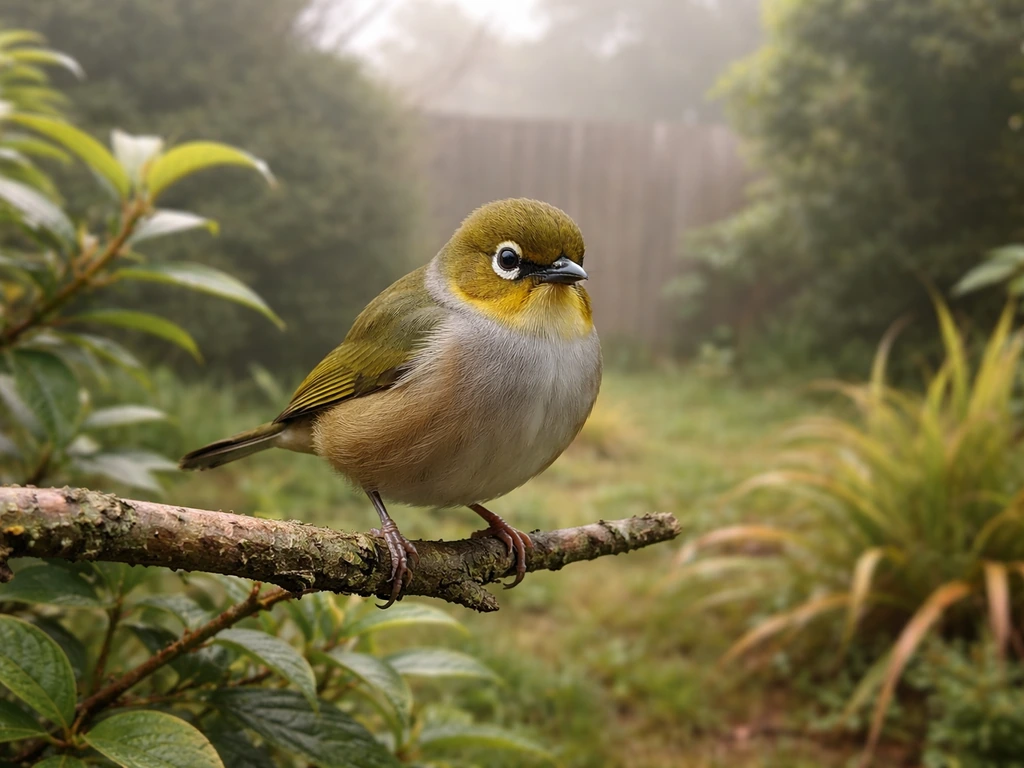
A titmouse showing up in your life most commonly carries a message of curiosity, resilience, and community. Spiritually, this small but bold bird is associated with hope and renewal, the importance of staying alert to what is around you, the protection that comes from close relationships, and the quiet courage to speak your truth even in cold or uncertain times. If one keeps catching your attention, the most likely invitation is to pay closer attention to your immediate world: your home, your closest relationships, and the way you communicate what you need.
Titmouse Bird Spiritual Meaning: Encounters, Guidance, Next Steps

Eliza Thornwick
29 Apr 2026
What a titmouse most commonly symbolizes spiritually
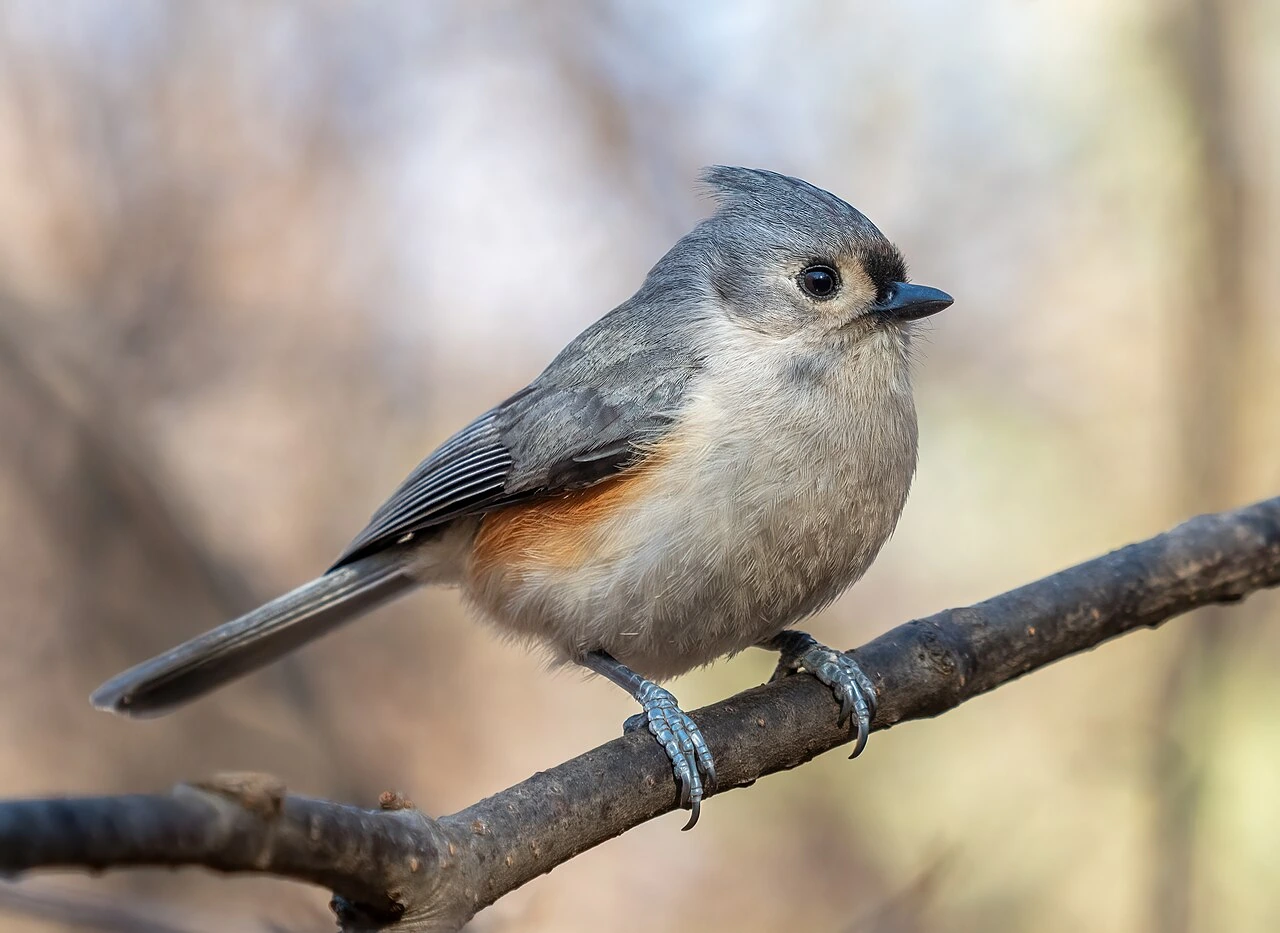
The tufted titmouse is a compact, crested bird with big dark eyes and a lot of personality. Spiritually, its core themes cluster around a few repeating ideas across different traditions and interpretive lenses. It is not a bird that fades into the background, and that boldness is part of its symbolic identity.
- Hope and renewal: Titmice sing their clear, whistled 'peter-peter-peter' call even during mid-winter thaws, well before spring arrives. Many spiritual traditions read this as a message that light and new beginnings are already working their way toward you, even when everything still looks bleak.
- Curiosity and alertness: Titmice are famously bold and will often approach humans closely, peer through windows, or investigate something new before other birds dare. Spiritually, this quality points toward the value of staying mentally awake, asking questions, and not sleepwalking through your days.
- Community and belonging: These birds forage in mixed-species flocks and are strongly social. Their spiritual message often touches on the importance of your people: who you gather with, who has your back, and whether you are allowing yourself to be supported.
- Resilience and resourcefulness: As secondary cavity nesters, titmice rely on what already exists in their environment rather than starting from scratch. This links symbolically to making use of what you already have and trusting that the resources you need are closer than you think.
- Communication and voice: The titmouse is one of the louder, more insistent singers in the bird world relative to its size. Many people who work with bird symbolism see this as a nudge to speak up, set a boundary, or finally say the thing you have been holding back.
- Protection of home: Their strong nesting instinct and territorial calls are often read as a spiritual pointer toward home, family, or domestic life needing attention or care.
These themes show up across Native American traditions, Celtic animal lore, and more contemporary intuitive and shamanic frameworks. No single tradition owns the titmouse's meaning, and you do not have to subscribe to any particular belief system for these themes to feel relevant. The question is always which of these threads resonates with what is actually happening in your life right now.
How to read your specific titmouse encounter
The details of how you encountered the bird matter quite a bit. A fleeting glance is different from a titmouse perching two feet from your face, and hearing one sing outside is different from having one fly into your home. Here is how to read the most common types of encounters.
Seeing one repeatedly
Before anything else, it is worth knowing that titmice are regulars at backyard feeders, especially in winter, and are common in eastern North American forests and suburbs year-round. If you have a feeder, nearby trees, or live in their habitat range, repeated sightings are ecologically normal, not miraculous. That said, spiritual meaning and natural behavior are not mutually exclusive.
Some people also explore the tui bird spiritual meaning to see how different birds point to similar themes like voice, community, and renewal. Many traditions hold that spirit can work through ordinary patterns. If a titmouse keeps snagging your attention even when other birds are present, ask yourself why your mind keeps landing on this one. That selective noticing is often where the real message lives.
Repeated sightings typically amplify the core themes above: something in your life around communication, community, or home is asking for sustained attention, not just a one-time thought.
Hearing one sing
The tufted titmouse has a fast, bright, repeated whistle that sounds like 'peter-peter-peter.' It is one of the clearer bird calls to identify by ear. Hearing this song, especially if it pulls you out of a distracted moment or seems to arrive right when you are thinking about something important, is often interpreted as a message to wake up, pay attention, and say what you need to say. Because the titmouse sings even through winter, hearing it can also be a prompt that hope is present even in a difficult season. Let the song land for a moment before you move on.
A titmouse landing close to you or on you
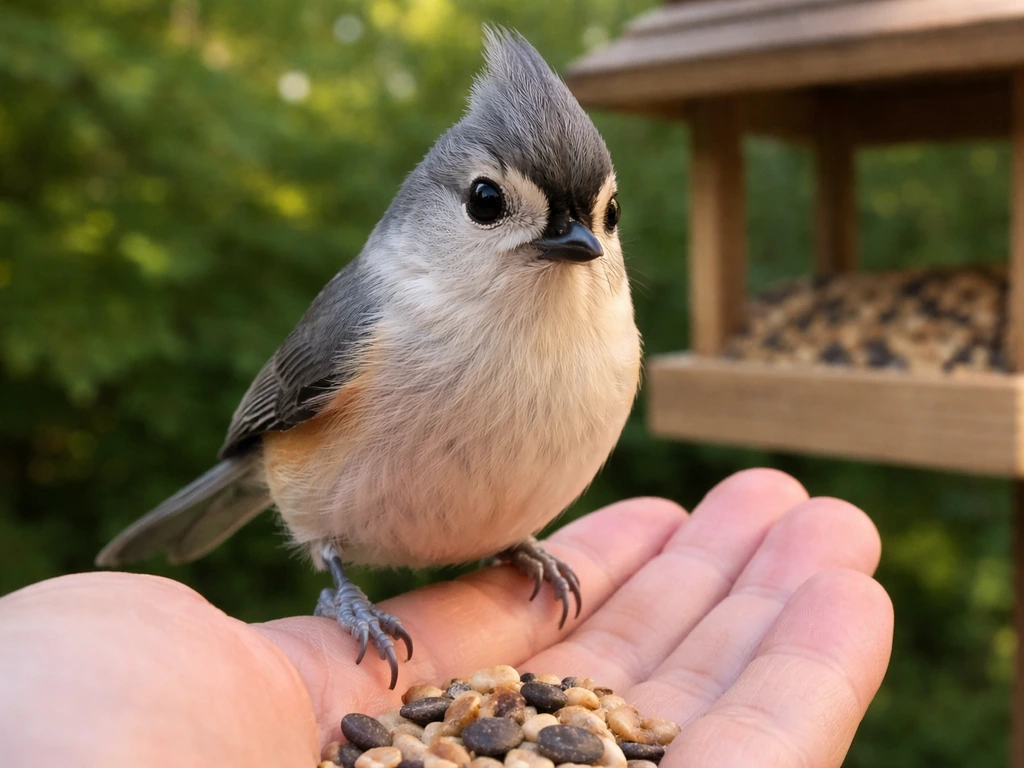
Titmice are unusually tame birds. They will perch remarkably close to humans, especially at feeders, and some individuals have landed on people's hands or shoulders. From a spiritual angle, a bird making direct physical contact or approaching within a foot or two is almost universally read as a message of particular personal relevance, as if the encounter is meant specifically for you rather than happening around you. The themes of protection, close relationship, and voice tend to carry the most weight here. If this happened to you, slow down and consider what was on your mind in the seconds before it occurred.
A titmouse appearing at or inside your home
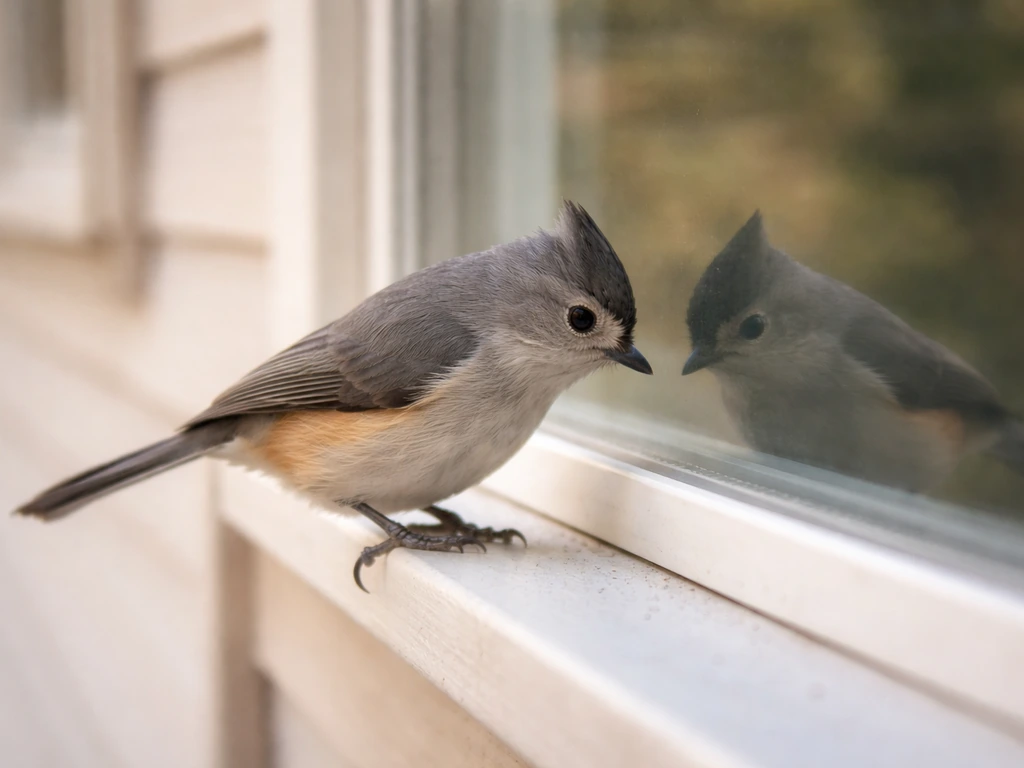
A titmouse peering in through your window is actually documented bird behavior: they can perch on ledges and look inside, often in response to seeing their reflection or spotting movement. Still, a bird framed in your window, staring inward, tends to feel significant. Spiritually, birds at the threshold of the home point toward the home itself: relationships within it, the energy you are cultivating there, or something in your domestic life that is asking for your attention. If one actually enters your home, most traditions read that as a strong, direct message around household or family matters and a call to create more safety or clarity in that space.
Tapping the window repeatedly
This one has a very grounded natural explanation worth knowing first: a titmouse tapping or attacking a window repeatedly is almost always territorial behavior. The bird sees its own reflection, interprets it as a rival, and keeps attacking. It is especially common in spring breeding season. Spiritually, repeated window-tapping can be read as something in your outer world insisting it gets your attention, or as a reminder that a 'rival' or conflict you keep fighting may actually be your own reflection. It is a striking metaphor if it lands for you. On the practical side, breaking up the bird's reflection with tape, decals spaced closely together, or external screens is the kindest thing you can do for the bird's wellbeing.
Nest or nest-building activity near your home
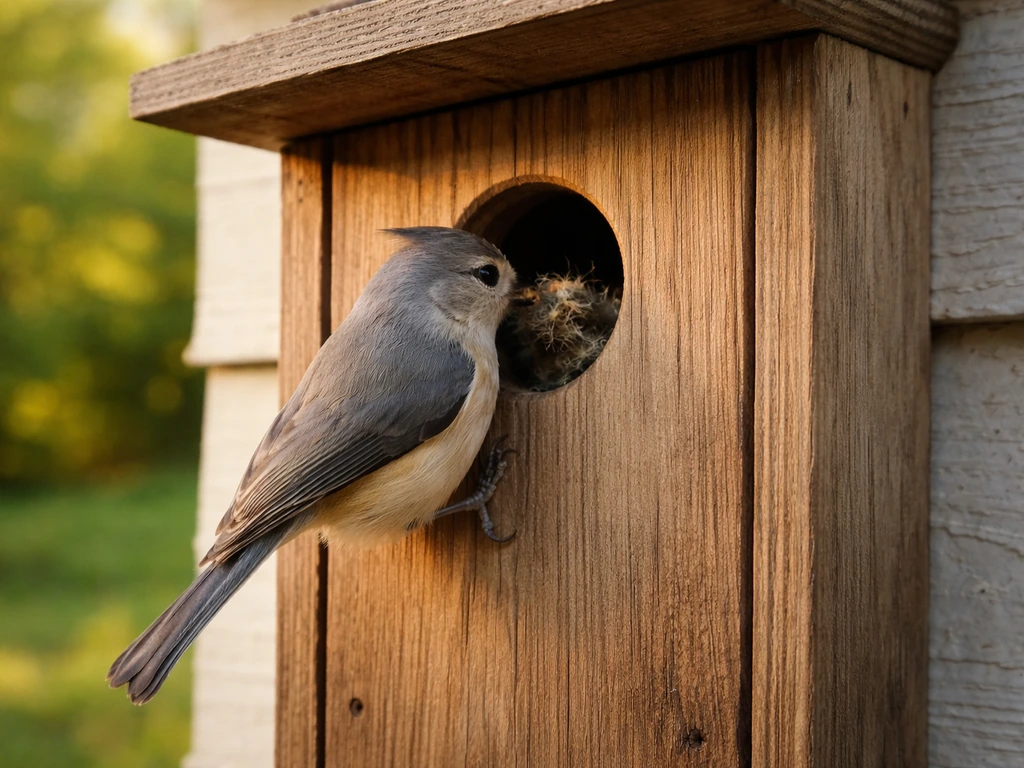
Titmice are cavity nesters who blank" rel="noopener noreferrer">use existing holes, like old woodpecker cavities, and will also readily use nest boxes. If one is building or tending a nest near your home, the spiritual read is almost always positive: a blessing energy around home and family, a period of incubation (something new being protected and grown), and an invitation to tend your own 'nest,' meaning your living environment, your family bonds, or a project you are carefully building. Practically, the presence of nest activity means a pair has found your yard suitable, which is a genuinely good sign from a habitat perspective.
The deeper spiritual themes and how they connect to your life
Once you have identified how the titmouse appeared, the next step is connecting its symbolism to what is actually happening in your life. The four strongest spiritual themes this bird carries are hope, protection, community, and renewal. In tauhou bird spiritual meaning, hope is often read as a reminder that guidance and renewal can arrive when you least expect it. Here is how each one might apply.
Hope
The titmouse singing in January is genuinely remarkable if you stop to listen. Most birds go quiet in winter. This one does not. If hope feels thin right now, a titmouse encounter is often a direct nudge that the situation is not as fixed as it feels. Something is already beginning to move in the direction you need, even if you cannot see it yet. This theme tends to show up most when people are in a waiting period: waiting for news, for a relationship to clarify, for a career move to take shape, or for grief to lift.
Protection
The territorial boldness of the titmouse, a tiny bird that does not back down, is a strong symbolic anchor for protection. If this theme resonates, ask yourself where you need to stand your ground. Is there a boundary that needs to be named? A person or situation that needs to be addressed directly rather than danced around? The titmouse does not shrink. Its appearance can be an invitation for you to do the same.
Community
Because titmice forage in mixed flocks and are deeply social, their spiritual energy consistently points toward your relational world. Are you isolated right now when you do not need to be? Are there people around you who would support you if you let them? Or conversely, are you carrying others without receiving anything back? The community theme from a titmouse encounter often asks you to look honestly at the give-and-take in your closest relationships.
Renewal
Titmice nest in cavities, using what already exists rather than building from nothing. This is a beautifully practical form of renewal: not starting over completely, but finding new life in existing structures. If the renewal theme feels relevant, the invitation may not be a dramatic life overhaul. It might simply be: look at what you already have and find a way to use it differently. A skill you have neglected, a relationship that just needs tending, a project that is further along than you think.
What the titmouse might be saying about home and relationships
Titmice are strongly home-oriented birds. They have distinct territories, they protect their nests fiercely, and they are year-round residents rather than migrants. This makes them particularly reliable symbols when something in your domestic life or close relationships is in focus.
If you are in a relationship: a titmouse encounter often points toward communication. Is something going unsaid? Are you and your partner (or a family member) actually talking, or just coexisting? The bird's insistent, clear call is a cue to be direct, kind, and honest. It also points toward the quality of your shared 'nest': is your home a safe, warm, genuinely supportive environment, or has the energy there gone flat and needs refreshing?
If you are single or navigating something new in love: the community and belonging themes tend to apply. The titmouse rarely goes it alone. Its appearance may be encouraging you to let people in, to stop waiting for the 'perfect' moment to connect, or to check whether you are surrounding yourself with people who genuinely align with who you are becoming.
At work: the titmouse's resourcefulness and voice themes tend to dominate. Are you making the most of what is already available to you in your current role or project? Are you speaking up about what you need, what you have to offer, or where a situation is not working? The titmouse does not wait to be noticed. It announces itself. If your work life feels stuck, this bird often signals it is time to be more visible and direct about what you bring.
When the titmouse encounter feels like a warning
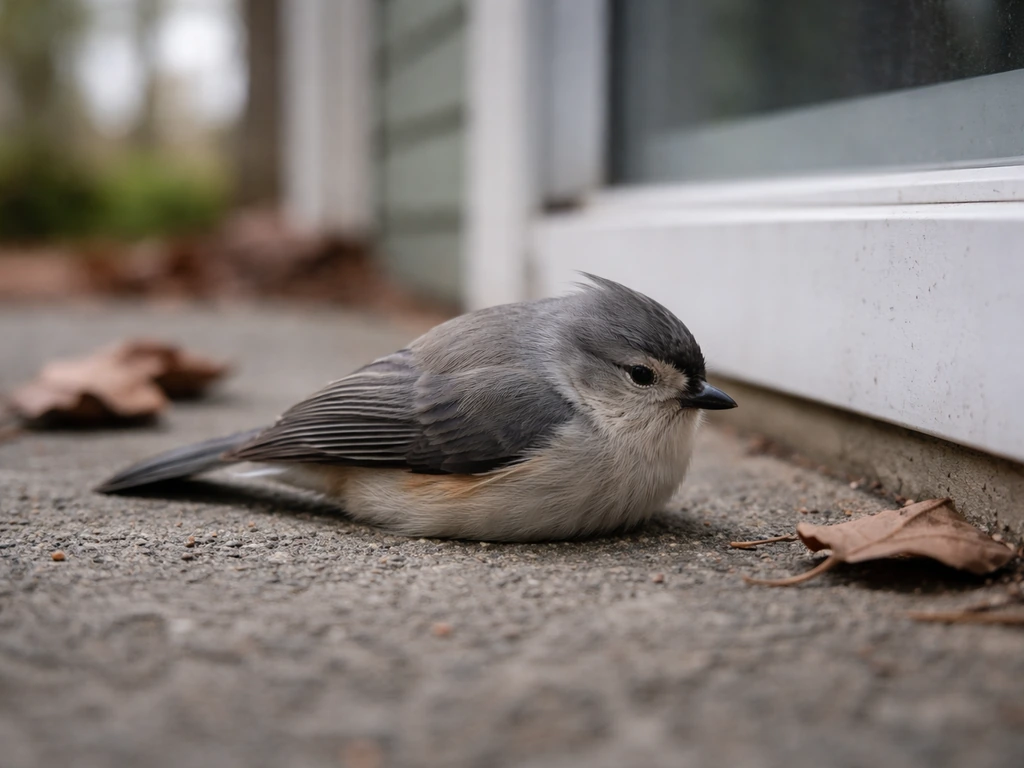
Not every bird encounter feels light and hopeful, and it is worth taking the heavier interpretations seriously without letting them spiral into anxiety. Here is how to work with the more unsettling possibilities.
A sick or injured titmouse
If a titmouse hits your window and is sitting stunned on the ground, the first priority is the bird's wellbeing, not the symbolic reading. Gently place it in a cardboard box or paper bag with small air holes, keep it in a warm, dark, quiet place, and contact your nearest wildlife rehabilitator as soon as possible. The International Wildlife Rehabilitation Council and local wildlife organizations can help you find someone.
Do not try to feed or handle the bird beyond moving it to safety. Once the bird is cared for, the symbolic note worth sitting with is this: something moving fast and confidently may have run into an unseen barrier. Is there something in your own life moving full speed toward a wall it cannot see?
A dead titmouse
Finding a dead bird of any species tends to stir something in people, and it is okay to let that reaction be real. In many traditions, a dead bird is not a curse or a direct omen of personal loss, but rather a marker of a transition: something is ending so something else can begin. The titmouse's themes of voice, community, and home suggest the transition is probably in one of those areas of your life.
What has been completing itself recently? What chapter are you actually already closing, even if you have not named it yet? On the practical side, avoid touching a dead bird with bare hands. The CDC advises using gloves or a bag when handling dead birds and washing your hands thoroughly afterward.
Bird droppings or feathers in unusual places
Feathers are widely used in spiritual traditions as signs of presence, guidance, or protection from unseen forces. A titmouse feather (small, gray, with hints of rust and white) found in a meaningful spot carries all the symbolism of the bird itself, often in a gentler, quieter form. Bird droppings, on the other hand, are mostly just biology, and the more useful message there is practical hygiene. The CDC notes that disturbing soil or surfaces with accumulated droppings can pose real health risks, including respiratory concerns from fungal spores. Clean up droppings with appropriate protection rather than treating them as an omen.
When the encounter keeps feeling dark or anxious
One thing worth naming directly: if a bird encounter is generating significant anxiety or feels like an omen that something terrible is coming, that emotional response deserves attention on its own, separate from the bird. Pattern-seeking and rumination can amplify fear in ways that the original encounter never warranted. Harvard Health's guidance on rumination notes that mindfulness-based practices, including deep breathing and grounding in the present moment, can interrupt that cycle. If the anxiety feels large, talking to someone you trust, or a professional, is a better next step than trying to decode the symbolism harder.
Your practical next steps: how to work with what you noticed
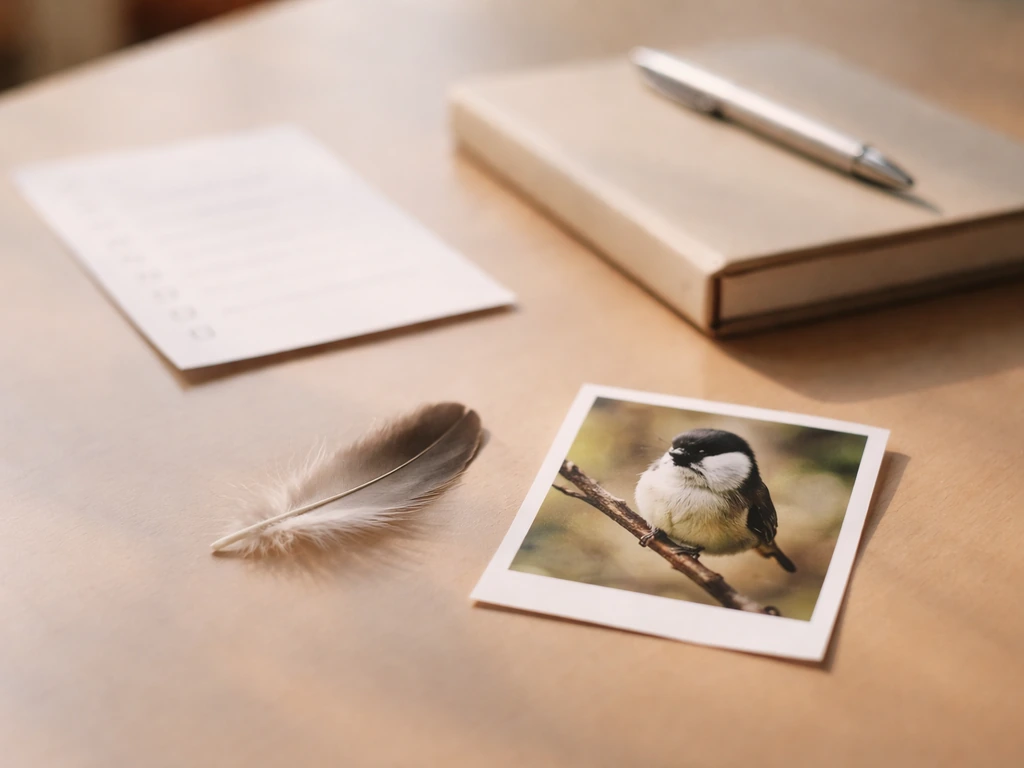
Here is a repeatable routine you can use any time a titmouse (or any bird that carries strong spiritual resonance, like the towhee, the tui, or the toucan) catches your attention in a way that feels significant. In the same way, the spiritual meaning of the tui bird in New Zealand is often linked with messages of communication, presence, and guidance. The goal is to move from 'I wonder what that meant' to actual insight you can use.
Step 1: Capture the context immediately
Before you start interpreting anything, write down the basics while they are fresh. Where were you? What time of day was it? What were you doing or thinking right before the encounter? What was your immediate emotional response? These details are the raw data of your personal interpretation, and they matter more than any general symbolic meaning you could look up.
Step 2: Apply a simple interpretation checklist
| Question | What to notice |
|---|---|
| What was I thinking about when the bird appeared? | This is often what the message is about, whatever was active in your mind. |
| What did I feel in my body when I noticed it? | Warmth, calm, or a sense of recognition often signal relevance. Dread or anxiety deserves its own attention. |
| What type of encounter was it? | Sight, sound, close proximity, inside/near home, nest activity, dead or injured bird each carry different tones. |
| Which of the core titmouse themes resonates most right now? | Hope, renewal, protection, community, voice, or resourcefulness. |
| What area of my life is most in motion right now? | Match the resonant theme to home, relationships, work, or personal growth. |
Step 3: Journaling prompts to go deeper
- Where in my life am I waiting for spring while it is still winter? What would it feel like to trust that it is already coming?
- Is there something I have been meaning to say clearly to someone close to me? What is stopping me?
- Who is in my flock right now, and am I actually letting them show up for me?
- What existing resource, relationship, or skill in my life am I underusing right now?
- Where do I need to be bolder and less apologetic about taking up space?
Step 4: Confirm the message in your own practice
If you use prayer, meditation, or intention-setting, bring the titmouse encounter into that space deliberately. You might simply sit quietly, bring the image of the bird to mind, and ask: what do I need to understand from this? Then wait without forcing an answer. A clarifying thought, image, or feeling often arrives within a minute or two, especially if you have already done the journaling work above. If nothing comes, let it rest for a day and return to it. Not every encounter has a profound message. Sometimes the bird is just a bird, and the real gift is that you paused long enough to be present.
Step 5: Know when to take practical action instead
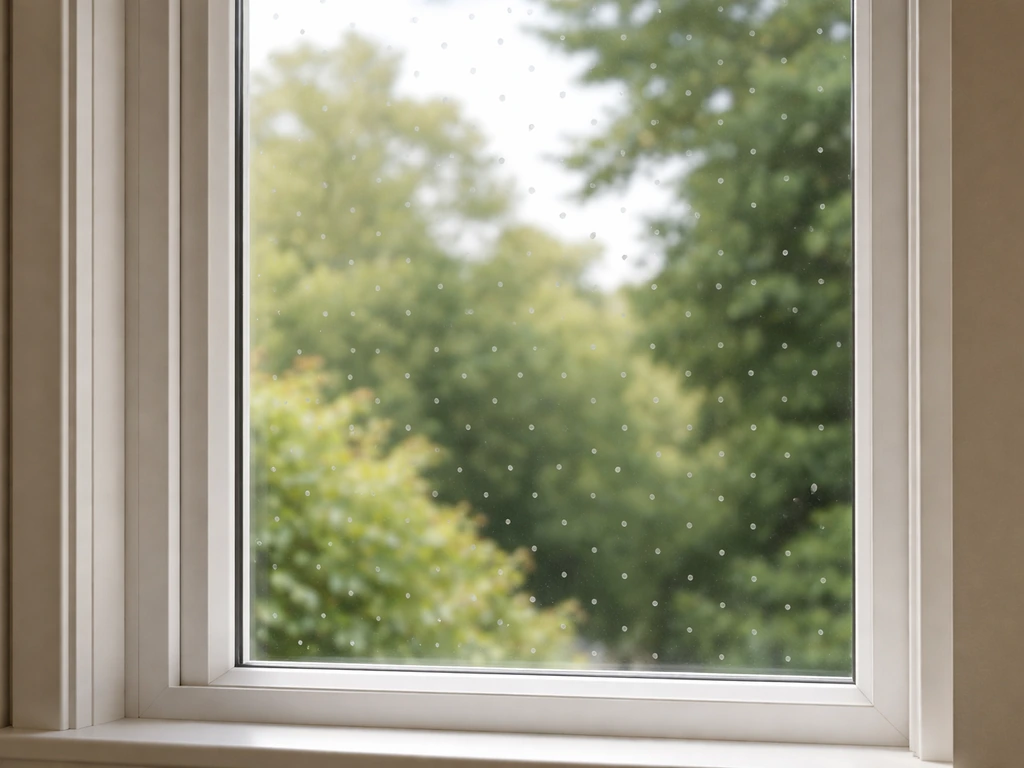
If the encounter involves a bird repeatedly hitting your windows, the most loving and practical response is to make your glass more visible to birds. Decals, tape, or window films spaced no more than two inches apart (the American Bird Conservancy's standard) break up the reflective surface. A single decorative decal in the center of the glass is not enough. If a bird is injured, call a wildlife rehabilitator rather than attempting to treat it yourself. If you are finding accumulations of droppings near a nesting spot, clean them up safely using gloves and avoiding inhaling dust. These are acts of care, and in many spiritual frameworks, how you respond to a sign matters as much as the sign itself.
FAQ
How can I tell if a titmouse sighting is a meaningful sign versus just normal backyard behavior?
A practical check is whether the bird keeps showing up in a way that matches your attention pattern (for example, multiple days or multiple moments that interrupt you). If you see only one fleeting glance during otherwise busy, unrelated routines, it may be ordinary. If the sighting repeatedly coincides with the same theme you are wrestling with (communication, boundaries, home, waiting for news), that repetition usually makes it more personally relevant.
What should I do if a titmouse shows up near my door or porch but I do not have a feeder?
Titmice often forage for insects and use natural cover, so they can appear even without feeders. If the bird repeatedly perches close to a specific entrance, look for an attractant like nearby shrubs, seed-bearing plants, or reflective surfaces near that spot. Spiritually, this can point to “threshold” themes, but practically, it is a hint to pay attention to what is inviting the bird and what is happening at that entry point in your life.
Do window collisions mean the titmouse has a spiritual message, or is it purely physical?
It is mostly physical, the bird sees its reflection as a rival or perceived space. Spiritually, you can treat the situation as a metaphor for “hitting an unseen barrier,” but your immediate responsibility is to prevent harm by making the glass more visible (properly spaced decals or film, not just one sticker). If the bird is stunned, contact a wildlife rehabilitator.
My titmouse encounter made me anxious, but I am worried I am overreacting. What is a good way to respond?
Start by distinguishing feelings from facts. Ground first (breath, name five things you see, then decide on one concrete action you can take today). Then ask what specific aspect of your life the anxiety is pointing to (a boundary, an unresolved conversation, a fear of waiting). If anxiety stays intense or persistent, that is a signal to talk with someone you trust or a professional rather than trying to decode deeper meanings.
Is it safe to interpret a titmouse feather as a spiritual message?
Often yes, as long as it stays in the realm of reflection, not proof. For safety, treat any feather found near other remains as potentially contaminated (for example, if it is near droppings) and wash your hands after handling. Symbolically, a feather is a gentler “presence” cue, but you can still pair it with a practical next step like updating a conversation you have been avoiding.
What if I find droppings near my home after a titmouse sighting, should I treat it as a sign?
It is better treated as a hygiene issue first. Droppings can create respiratory risks when dust is disturbed, especially if there is accumulated material. After safe cleanup, you can still use the timing for reflection (for example, “what needs refreshing in the home or yard”), but do not let biology drive the interpretation.
How should I journal after a titmouse encounter without getting stuck in endless analysis?
Use a short template: 1) exact details (time, location, what you were thinking), 2) emotion in the moment, 3) one actionable takeaway (a conversation to have, a boundary to set, a small act of renewal in the home). Set a time limit (for example, 10 minutes). If nothing clear emerges, return to the note later, or let it rest for a day as you would with a stalled insight.
If a titmouse is very tame and comes extremely close, does that always mean something personal?
It usually suggests the bird is comfortable with the environment (often feeders and habituation), but the “personal relevance” interpretation becomes stronger if your encounter also intersects with an ongoing decision or conversation. A helpful compromise is to keep the meaning as guidance (“pay attention to voice, protection, and relationships”) while still using bird-safe practice around feeders and windows.
What does it mean if a titmouse keeps singing in winter, but I do not feel hopeful?
You can treat the song as an invitation to adjust your approach rather than your feelings. Hope here often means that movement is possible even if you cannot see it yet. A practical follow-through is to choose one “next step” you can take during the waiting period (send the message, schedule the appointment, make the plan), so the spiritual theme becomes action rather than pressure to feel better immediately.
When is nest activity a good spiritual symbol, and when should I switch to practical priorities?
Nest building near your home is generally positive for the bird and can support a symbolism of renewal and home life. However, if the nest is very close to heavy traffic (doors, work zones) or you notice aggression toward people or pets, prioritize safety and avoid disturbance. You can still reflect inward without interfering physically with the nesting site.
How can I make my windows safer for birds without harming the aesthetics of my home?
Use multiple small visibility markers spaced closely across the pane (not a single centered decoration). External screens are often the most effective and can look tidy. If you prefer interior solutions, choose window films or decals designed for birds and apply them according to spacing guidance. If a bird is injured, do not attempt treatment yourself, contact a wildlife rehabilitator.
Next Article
Tauhou Bird Spiritual Meaning: How to Interpret Encounters
Learn tauhou bird spiritual meaning by confirming the species, then interpreting repeated, close, or unusual sightings.