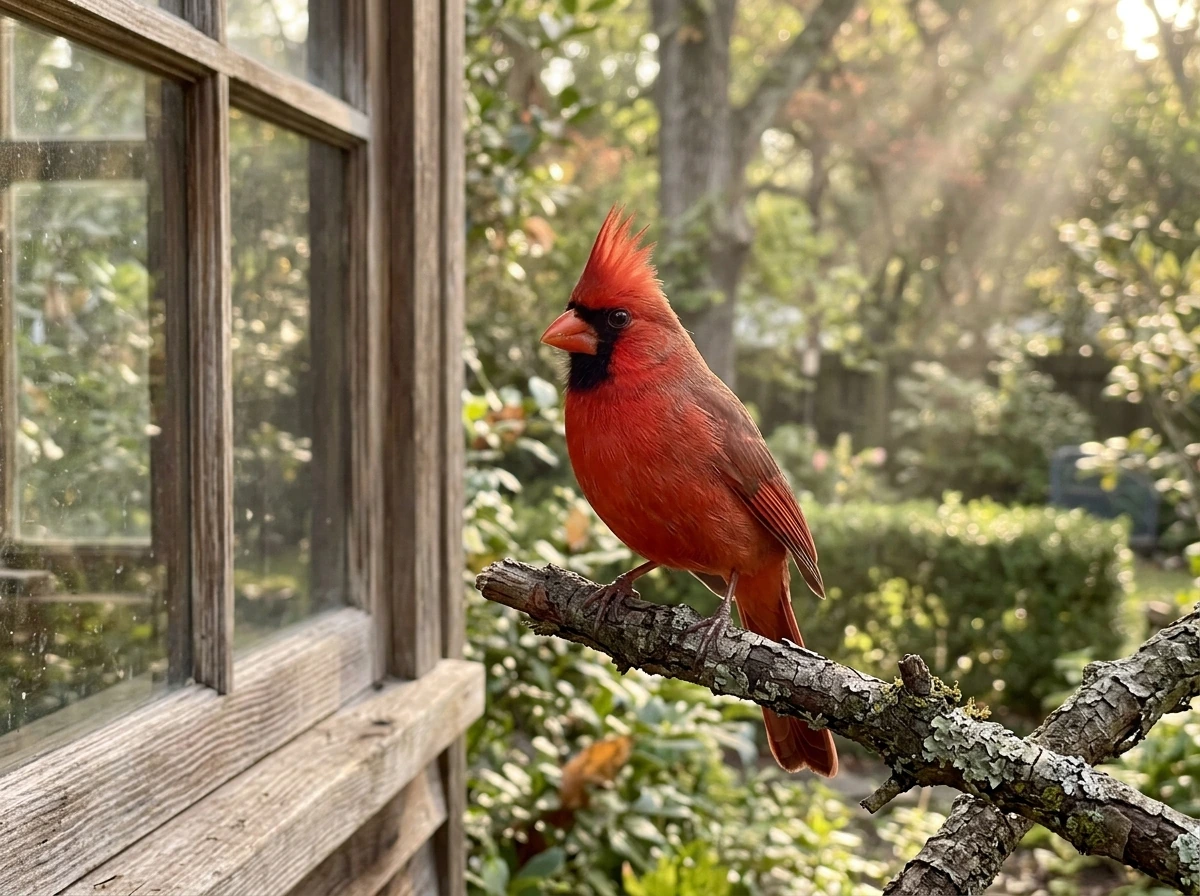
If you've just spotted a striking black-and-brown bird with a long tail and a deep, booming call, and someone told you it's the 'Bharadwaj bird,' you're in the right place. The short answer: seeing a Bharadwaj bird is widely regarded as a genuinely auspicious sign, one that carries themes of good fortune, divine guidance, and positive momentum in your life. But the fuller picture is richer than a simple 'good omen' label, and understanding the layers behind this bird will help you interpret your specific encounter in a way that actually means something to you.
Bharadwaj Bird Spiritual Meaning: What It Could Signify

Eliza Thornwick
24 Mar 2026

What 'Bharadwaj Bird' Actually Refers To
This is where a lot of people get confused, so let's sort it out clearly. The word 'Bharadwaj' (also spelled Bhardwaj or Bharadvaja in Sanskrit) has more than one meaning in Indian tradition, and the bird connection comes from two different directions.
In Sanskrit classical texts, 'bharadvāja' is a name for the skylark (Alauda gulgula). The Monier-Williams Sanskrit dictionary specifically lists 'Lerche,' the German word for skylark, as one of its primary senses, and the WisdomLib Sanskrit lexicon confirms this identification. The Ashtanga Hridayam, a classical Ayurvedic text, lists 'bharadvaja' among the birds considered auspicious omens when seen by a physician traveling to a patient.
In everyday modern usage across Maharashtra and much of India, however, 'Bharadwaj' is most commonly applied to an entirely different and much more visible bird: the Greater Coucal, or Centropus sinensis. This large, crow-like bird with deep chestnut wings, a glossy black body, and a rich, resonant call is documented under the local name 'Bharadwaj' in Marathi-speaking regions by sources ranging from the Bombay Natural History Society (BNHS) to Government of Maharashtra forest management documents. BNHS blank" rel="noopener noreferrer">Hornbill (Jan, Dec 2021) notes that the Greater Coucal is called “Bharadwaj” in Marathi. It's also sometimes called the Crow Pheasant.
The name 'Bharadwaj' itself traces back to the legendary sage Bharadvaja, one of the great Vedic rishis. His name derives from Sanskrit roots meaning 'bearing vigor' or 'carrying strength,' and his lineage (gotra) is one of the most prominent Brahmin family lines in India. It's likely that the bird was named after the sage because of its dignified bearing and the reverence it commands in folk tradition.
So when someone searches 'Bharadwaj bird spiritual meaning,' they're almost always referring to the Greater Coucal as it's experienced in Indian spiritual and cultural life, and that's the focus of this guide, ... If you are also drawn to the spiritual meaning of jay bird, it can offer a helpful parallel about messages, communication, and awareness. just like people look up the spiritual meaning of jay bird to understand what certain encounters may symbolize for them.
The Core Spiritual Message of the Bharadwaj Bird
Across the traditions that recognize this bird, the Bharadwaj carries a consistent spiritual signature: it is a messenger of good things coming. Folk belief in Pune and across Maharashtra holds that if you see a Bharadwaj, you'll have a good day. The red jay bird is also discussed in some traditions for its spiritual meaning, so the same kind of reflective, context-based approach can help you interpret what you notice red jay bird spiritual meaning. A Pune-based Reddit discussion on the Greater Coucal's “Bharadwaj” symbolism mentions the belief that seeing a Bharadwaj bird means you will have a good day [if you see a Bharadwaj, you'll have a good day](https://www. reddit.
com/r/pune/comments/11lntx9). The BNHS has documented it as a herald of good luck. Spiritual writers describing the Greater Coucal consistently frame it as a bird that announces positive fortune. This isn't just superstition; it's a cross-referenced pattern that spans oral tradition, natural history publications, and classical omen literature.
But 'good omen' is just the headline. The deeper message themes associated with this bird fall into a few distinct categories that are worth sitting with.
- Divine guidance and protection: The bird's association with the sage Bharadvaja connects it to wisdom traditions and the idea that you are being watched over by something greater than yourself.
- Positive momentum: A sighting often signals that whatever you've been working toward, the conditions are aligning in your favor.
- Communication and awareness: The Greater Coucal has an unmistakable call, deep and repetitive. In omen traditions, a bird's call is often as significant as its appearance, pointing to a message that needs to be heard, not just seen.
- Auspiciousness at transitions: Classical Indian omen texts (including the Ashtanga Hridayam and the Brihat Samhita's omen chapters) specifically flag birds like the bharadvaja as auspicious when seen at the start of a journey or endeavor, making this bird particularly meaningful at beginnings and turning points.
- Grounded wisdom over impulsive action: The coucal is a slow, deliberate mover in the undergrowth. Spiritually, this can reflect a call to patience, careful observation, and grounded decision-making rather than rushing.
Reading the Specific Encounter
Not all Bharadwaj sightings carry the same message. The classical Indian omen traditions were remarkably specific: the direction the bird moved, its behavior, whether it was alone or paired, and where you were in your day all shaped the interpretation. Here's how to read the most common encounter types.
Simply Seeing the Bird
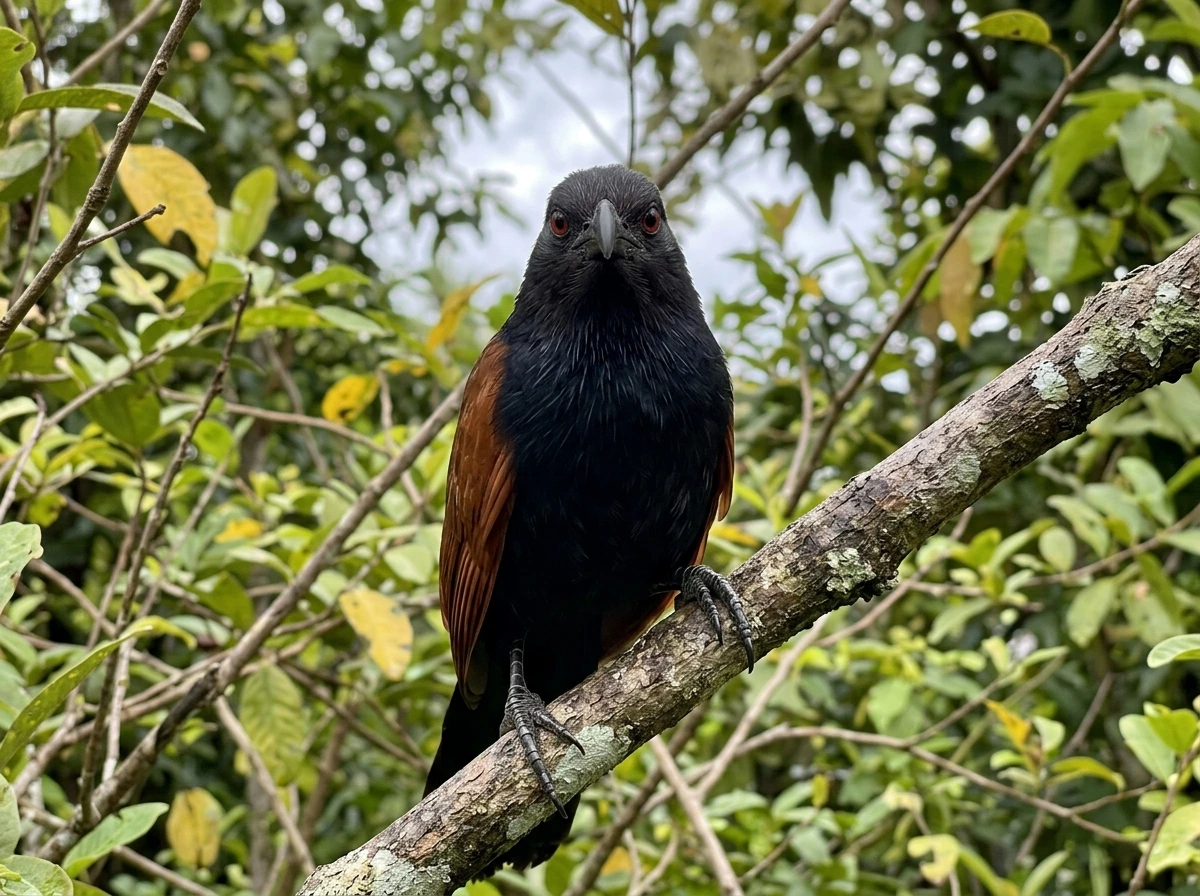
A straightforward sighting, the bird crossing your path or perching where you can clearly see it, is the most basic and most consistently positive sign. Folk tradition holds that if the bird is seen in front of you, it bespeaks good. If you spotted it while heading somewhere with intention (a job interview, a medical appointment, starting a new project), take it as a green light. The timing matters: a sighting at the start of your day or at the beginning of a journey carries more weight than a chance glance mid-afternoon.
Direction and Movement
Indian omen literature from sources like the Brihat Samhita and Konkan folklore notes is very specific about direction. A bird passing from left to right was often read differently from one moving right to left, and the rules could shift based on your gender, the type of occasion, or even whether the bird was male or female. Folk sources note that a female bird passing is a happy omen, while a male moving from right to left could signal minor difficulties ahead. A pair of birds passing together was considered especially auspicious, an almost celebratory sign. You don't need to over-analyze this, but if the movement was unusual or caught your attention for a reason, it's worth noting.
Hearing the Call Without Seeing the Bird
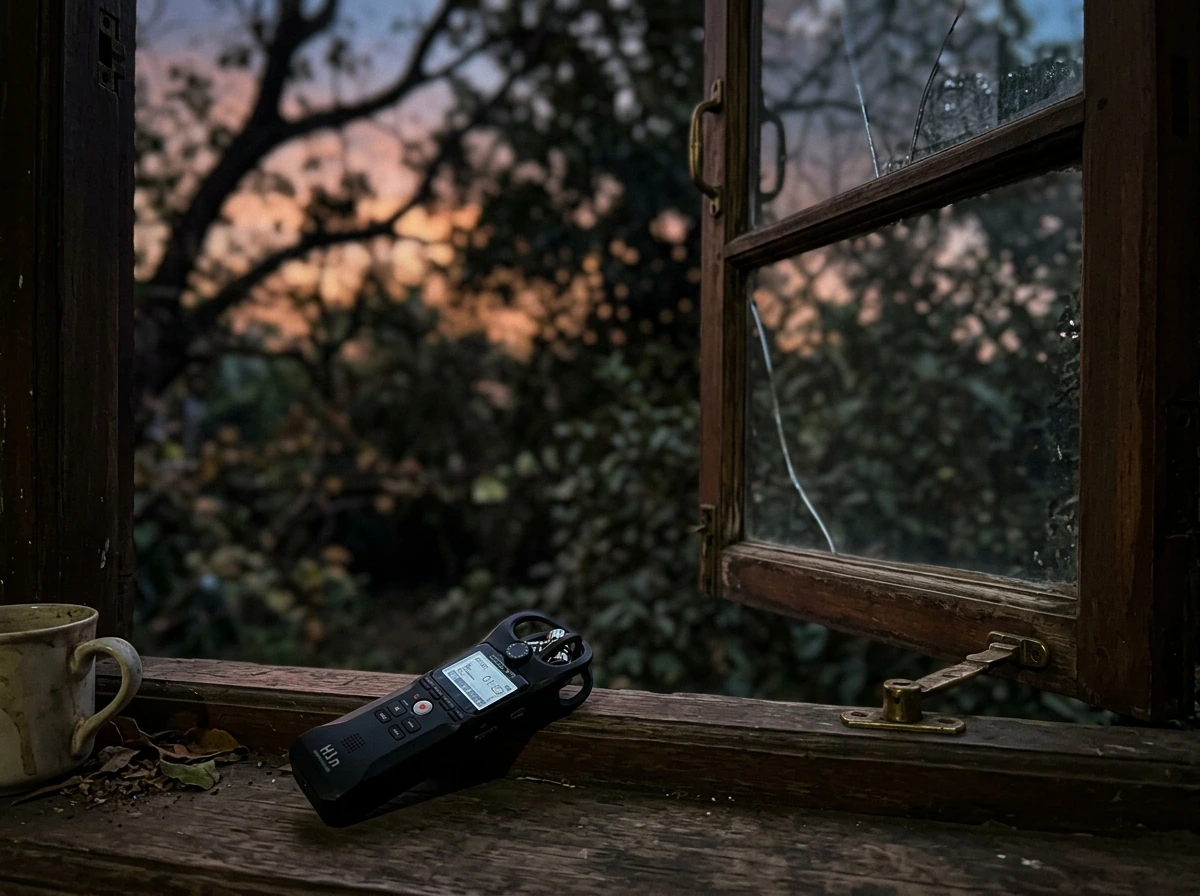
The Greater Coucal's call is distinctive: a series of deep, hollow, resonating notes that seem to come from low in the throat. Hearing it without seeing the bird is common because these birds tend to stay in dense cover. Spiritually, hearing a bird's call without seeing it is often interpreted as a message being delivered at the level of intuition or the subconscious. Something important is being communicated to you, but you may need to go inward to understand it. This is a good moment for stillness, not action.
The Bird Landing Near or On You
This is a rare encounter and, in virtually every bird symbolism tradition, a highly significant one. The Greater Coucal is a shy, ground-dwelling bird that doesn't typically approach humans. If one lands close to you, or in an extremely unusual case, makes physical contact, treat it as an unusually direct spiritual signal. The message is personal and pointed: whatever question or challenge is currently at the top of your mind, this encounter is answering it with a strong 'yes' or 'move forward.'
Repeated Sightings
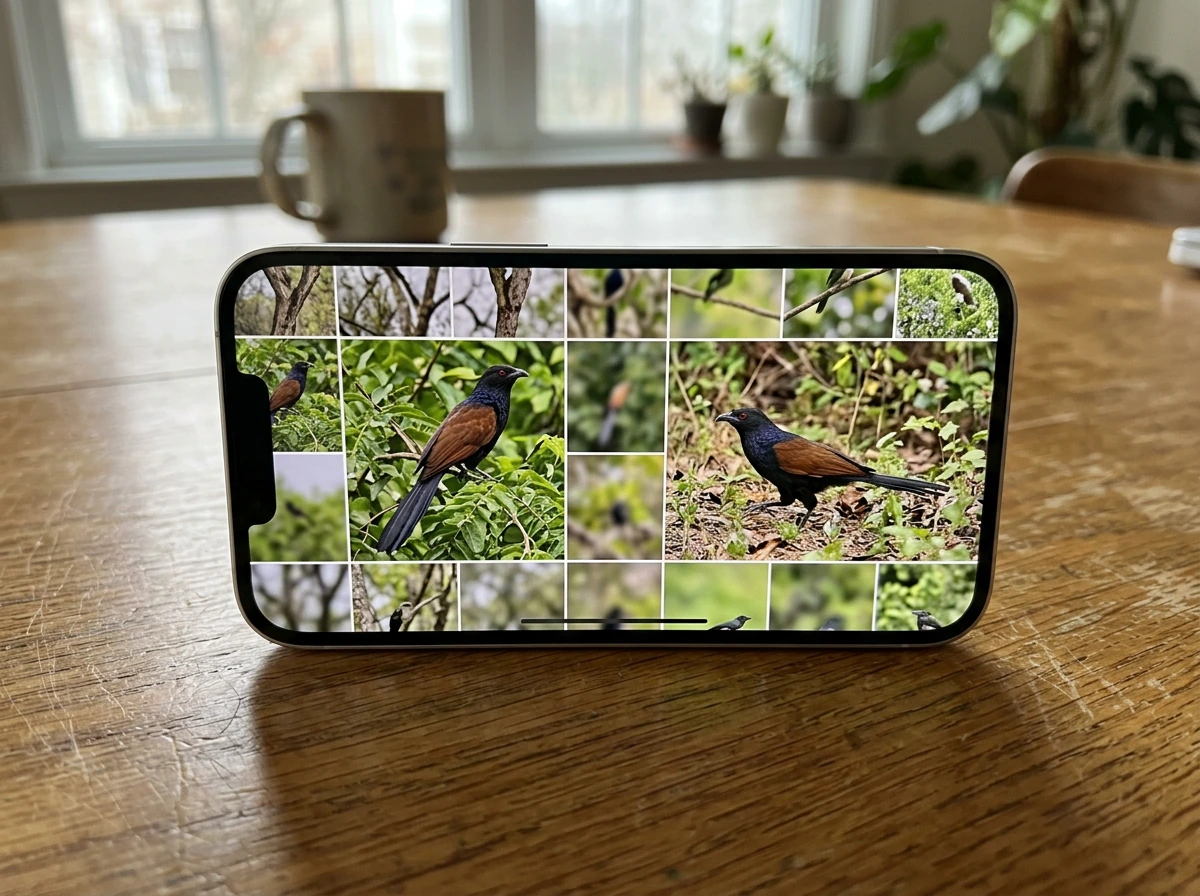
Seeing the Bharadwaj bird multiple times over a short period, especially if it feels like more than coincidence, suggests the universe is being persistent with a message you may not have fully received yet. Repeated sightings often signal that it's time to pay closer attention to a specific area of your life, usually whatever has been weighing on you most heavily. Think of it as the spiritual equivalent of a notification that keeps pinging until you open it.
Nesting Near Your Home
A Bharadwaj bird building a nest on or near your property is considered a particularly blessed sign. Nesting birds across many traditions represent fertility, protection, and the arrival of new beginnings in the domestic sphere. Home, family, and creative projects are all energized when a sacred bird chooses your space as safe enough to raise young. In Indian folk tradition especially, this would be considered an extended blessing for the household.
What This Encounter Might Mean in Your Life Right Now
Spiritual symbols don't exist in a vacuum. The real value in an encounter like this is asking: what area of my life does this message connect to? Here's how the Bharadwaj's core themes map onto the most common life areas people are navigating.
| Life Area | What the Bharadwaj May Be Signaling | A Question to Sit With |
|---|---|---|
| Love and relationships | Positive movement is coming; an existing relationship may deepen, or a new one may arrive | Am I open to receiving love, or am I blocking it with old stories? |
| Career and ambitions | Green light energy for a project, application, or new direction you've been hesitant about | What have I been waiting for permission to begin? |
| Family and home | Protection and harmony for the household; a good time to resolve lingering tensions | Is there a family relationship I've been neglecting or a home issue I've been avoiding? |
| Spiritual growth | You're being watched over; deepen your practice or reconnect with a tradition that grounds you | What spiritual habit have I let slip that used to center me? |
| Protection | You are safe; fears around a specific situation may be larger than the actual threat | What am I afraid of right now, and is that fear proportionate to reality? |
What to Do After a Bharadwaj Encounter
The encounter is the beginning, not the end. How you receive and process it matters. Here are some practical steps that don't require any specific religious background, just a willingness to be present and reflective.
Ground Yourself First
If the sighting felt significant or even a little startling, take a moment before you do anything else. Breathe slowly, plant your feet, and simply acknowledge what just happened. Spiritual encounters, even beautiful ones, can leave you slightly 'floaty. In Nimitta Shastra, interpretations of such encounters are drawn from observing signs in nature, including the behavior of animals and birds, to discern auspicious or inauspicious outcomes Spiritual encounters, even beautiful ones, can leave you slightly 'floaty.. ' A minute of conscious breathing, or physically touching something solid like a tree or a wall, helps you stay in your body and receive the experience rather than immediately rushing to analyze it.
Journal the Specifics
Write it down while the details are fresh. The specifics are what separate a meaningful reflection from vague guessing. Note the time, the location, what you were doing or thinking about just before, which direction the bird moved, whether it was alone or with others, and whether you heard its call. These details will help you personalize the interpretation rather than relying on a generic meaning.
- What was I thinking about or feeling in the moments before I saw this bird?
- What life question or challenge has been most present for me this week?
- Did this encounter feel like a confirmation of something I already sensed, or did it feel like new information?
- If this encounter were a direct message from something wise and caring, what would it be saying to me specifically?
- What's one small action I could take today that would honor the theme of this message?
A Simple Gratitude Practice
You don't need an elaborate ritual. One of the most respected responses to an auspicious omen in Indian tradition is simply gratitude, openly expressed. After a Bharadwaj sighting, try pausing and saying (aloud or internally) something like: 'Thank you for this sign. I receive this with openness and I trust that good things are unfolding.' If you have a personal prayer tradition, this is a natural moment to fold that in. If you work with an altar or sacred space, placing a flower or a pinch of rice as an offering is a respectful nod to the auspicious energy you've just encountered.
Set an Intention
Auspicious signs have the most power when they're met with intentional action, even a small one. After grounding and reflecting, identify one concrete step you can take in the life area that felt most resonant with this encounter. Don't overload yourself. One clear, grounded intention is worth more than ten vague aspirations.
When the Encounter Feels Unsettling or Negative
Most Bharadwaj encounters carry positive energy, but you might find yourself in a situation that feels less reassuring: finding a dead Bharadwaj, seeing one behaving strangely, or feeling an inexplicable unease during the sighting. Here's how to approach that honestly.
A Dead Bharadwaj Bird
Finding a dead bird of any kind tends to carry a 'warning' or 'ending' quality in folk omen traditions. But before you spiral, consider the fuller picture. In many spiritual frameworks, the death of a symbolic bird represents the completion of a cycle, not necessarily a loss. Something that has served its purpose is making way for something new. If the Bharadwaj is a bird of good fortune and renewal, its death in your vicinity could signal the end of a difficult period rather than the beginning of one. Ask yourself: what chapter in my life feels like it's closing right now? That is almost certainly where the message lives.
Fear or a Bad Feeling During the Sighting
Sometimes an encounter that is objectively 'positive' by tradition still triggers anxiety or unease in the person experiencing it. That reaction is worth paying attention to, not as confirmation that something bad is coming, but as information about your current inner state. Fear during an auspicious encounter often reflects an existing worry that you're projecting onto the moment. The omen itself may still be positive; your nervous system is just already on high alert. This is a good moment for journaling about what you're afraid of, separate from what the bird 'means.'
Reframing Without Dismissing
The classical Indian omen traditions, including the structured rules in texts like the Brihat Samhita, were careful to note that context shapes meaning. A single 'inauspicious' detail doesn't override everything else. The same is true in reverse: an encounter that feels slightly off doesn't cancel out the overwhelming tradition of the Bharadwaj as a protective, auspicious bird. Hold the nuance. Note what felt unsettling, acknowledge it, and then gently ask whether your interpretation is coming from wisdom or from fear.
How to Make This Meaning Your Own
One of the things I always want readers to walk away with is this: spiritual symbolism is a language, not a rulebook. The traditions around the Bharadwaj bird give you a vocabulary, but you're the one who reads the sentence in context. Here's how to personalize your interpretation without slipping into either superstition or cynicism.
Cross-Check With What You Already Know
Before deciding what a bird encounter means, check in with your own intuition and recent experience. Were you already sensing that something was shifting in a positive direction? Did the encounter arrive right when you needed reassurance? Or does the traditional meaning feel completely disconnected from anything real in your life right now? If it resonates strongly and unprompted, that's significant. If you're forcing a meaning that doesn't feel true, let it go.
Use the Details You Observed
Time of day, location, the bird's behavior, and your emotional state during the encounter are all data points. A Bharadwaj heard calling at dawn while you're beginning a new chapter in life hits differently than one spotted casually during your commute. The more specific details you noted in your journal, the more accurately you can map the message to your actual situation rather than a generic interpretation.
Avoid Treating It as a Guarantee
Here's the honest truth about omens: they're invitations to awareness, not promises of outcome. A Bharadwaj sighting suggests the conditions are favorable and that you're being supported. It doesn't guarantee a specific result or give you permission to stop doing your part. The bird points the way; you still have to walk. Use the auspicious energy as fuel for action, not as a reason to sit back and wait.
Acknowledge That Cultural Context Shapes Meaning
The Bharadwaj bird's symbolism is most richly developed in Indian, and particularly Maharashtrian, spiritual culture. If that tradition resonates with you personally, lean into it. If you come from a different background, you can still honor the encounter by recognizing it as a cross-cultural reminder that birds have carried spiritual significance for humans across every civilization. The Greater Coucal's striking appearance, powerful call, and elusive nature make it genuinely memorable.
If your encounter felt meaningful, trust that feeling and explore it on your own terms. You might also find it interesting to compare how similar themes appear in the spiritual meanings of other well-known birds, like the blue jay or the <Eurasian jay> which carry their own distinct messages around communication and awareness.
You may also be curious about the blue jay bird spiritual meaning and how it connects to communication and awareness in spiritual symbolism blue jay or the. red jay bird spiritual meaning If you are curious about red jay bird spiritual meaning, it’s often discussed in the same way as other jays, linking your encounter to messages and heightened awareness.
FAQ
Does a Bharadwaj bird sighting mean I should change my plans or make a big decision immediately?
No. In most folk and omen frameworks, a Bharadwaj encounter is read as supportive energy or a nudge, not a deterministic instruction. You still decide what to do, the sign mainly helps you notice timing and priorities (for example, picking the next step you were already considering).
What if I do not remember whether the Bharadwaj flew left-to-right or right-to-left?
If you missed the direction of movement, focus on higher-signal details you can still recall, like whether you saw the bird clearly versus only heard the call, whether it was alone or in a pair, and how you felt at the moment. Those pieces often matter more than left versus right when you interpret for personal relevance.
How can I be sure I truly saw a Bharadwaj (Greater Coucal) and not a different bird?
Yes, it can become confusing with similar-looking birds. The Greater Coucal’s hallmark is a long-tailed, crowlike body with a deep resonant call, and it is usually ground-dwelling. If the call and overall look were different, treat the encounter as “bird symbolism” rather than confidently labeling it as Bharadwaj.
What should I do if I feel anxious or uneasy even though the omen meanings are usually positive?
Try a “two-track” approach. First, journal what you fear is happening. Second, journal the most likely mundane reason for the same timeline (stress, seasonal changes, schedule shifts). If your fear story grows louder than your lived context, pause interpretation until you have steadier information.
What does it mean spiritually if I find a dead Bharadwaj near my home or route?
If a bird is already dead or injured, interpret the moment more gently. Many traditions read death as a cycle ending, but you should avoid treating it as a prediction of harm to you or anyone else. A practical step is to shift from symbolism to action: assess what needs closure in your current routine or commitments.
If I keep seeing the Bharadwaj over several days, what concrete action should I take?
Repeated sightings are often treated like a persistent “notification,” but the practical follow-through is what matters. Pick one consistent theme (work, relationships, health habits, home) and run a small experiment for a week, like setting one boundary, making one call, or starting one task you delayed.
How should I interpret it if I only hear the Bharadwaj call and never see the bird?
If you hear the call but do not see the bird, interpret it as an internal message prompt. A helpful practice is to pause for 30 to 60 seconds, then write one question that matches what you were thinking about right before you noticed the sound.
What should I do if a Bharadwaj builds a nest on or near my property?
A nest nearby is usually read as a protective, fertility, or new-beginnings sign for the household. But be careful not to disturb it. The best “spiritual action” here is respectful: keep distance, avoid touching nests, and if needed contact local wildlife guidance rather than trying to relocate anything yourself.
Do I need to follow all the traditional rules (direction, gender, timing) to get the correct meaning?
Not usually. Omen systems may include sex, direction, and occasion, but you do not need to track every rule to receive value. Use only what you can verify reliably, and default to the broad theme of positive momentum and guidance if the encounter felt clearly meaningful.
Next Article
Red Jay Bird Spiritual Meaning: How to Interpret Signs
Learn red jay bird spiritual meaning with context clues, behavior-based guidance, dream vs sight steps, and practical ne