If you saw what you're calling a 'blue robin' today, you most likely encountered either an Eastern Bluebird (historically nicknamed the 'blue robin' by early American colonists), a Siberian Blue Robin (Larvivora cyane) if you're in parts of Europe or Asia, or a standard American Robin with an unusual blue-tinted appearance in certain light. Spiritually, this encounter blends the robin's classic themes of renewal, hope, and heart-opening messages with the color blue's energy of calm, truth, clear communication, and spiritual protection. Together, they form a powerful sign: something new is arriving, and you're being asked to speak your truth and trust the process with an open, peaceful heart.
Blue Robin Bird Spiritual Meaning: Signs, Messages, Next Steps

Eliza Thornwick
20 May 2026
What people actually mean when they say 'blue robin'
This is worth sorting out first, because the bird you saw changes the spiritual context slightly. 'Blue robin' is not one universally agreed-upon species. It's been used in a few different ways across history and geography, and knowing which one fits your situation helps you read the sign more accurately.
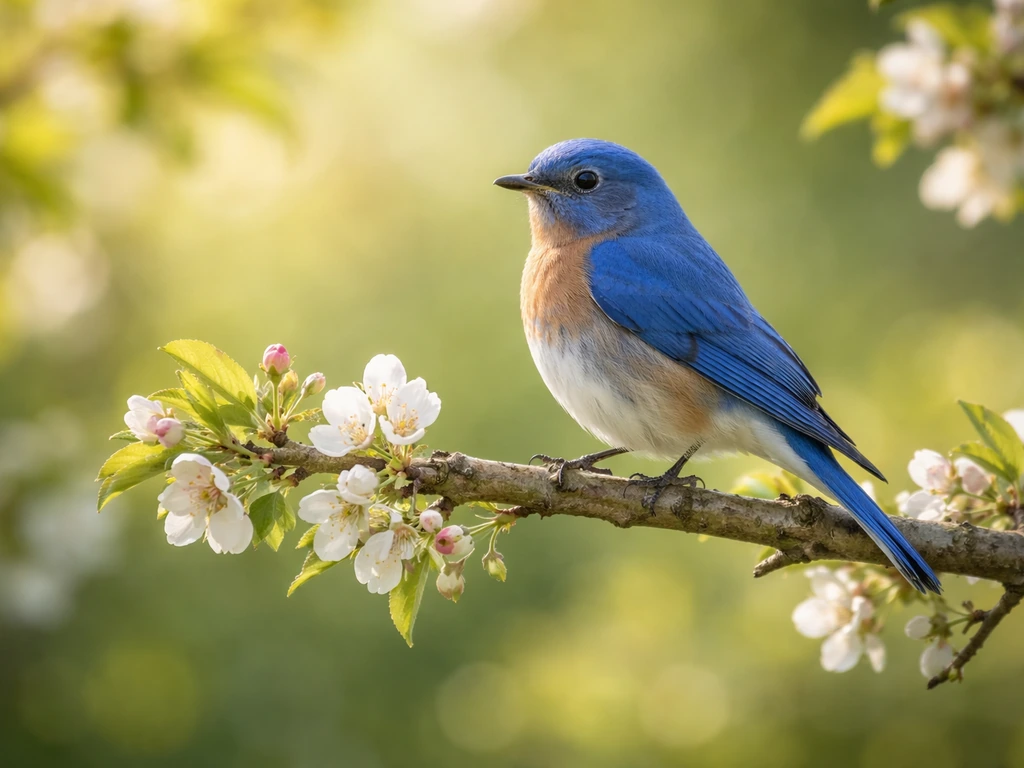
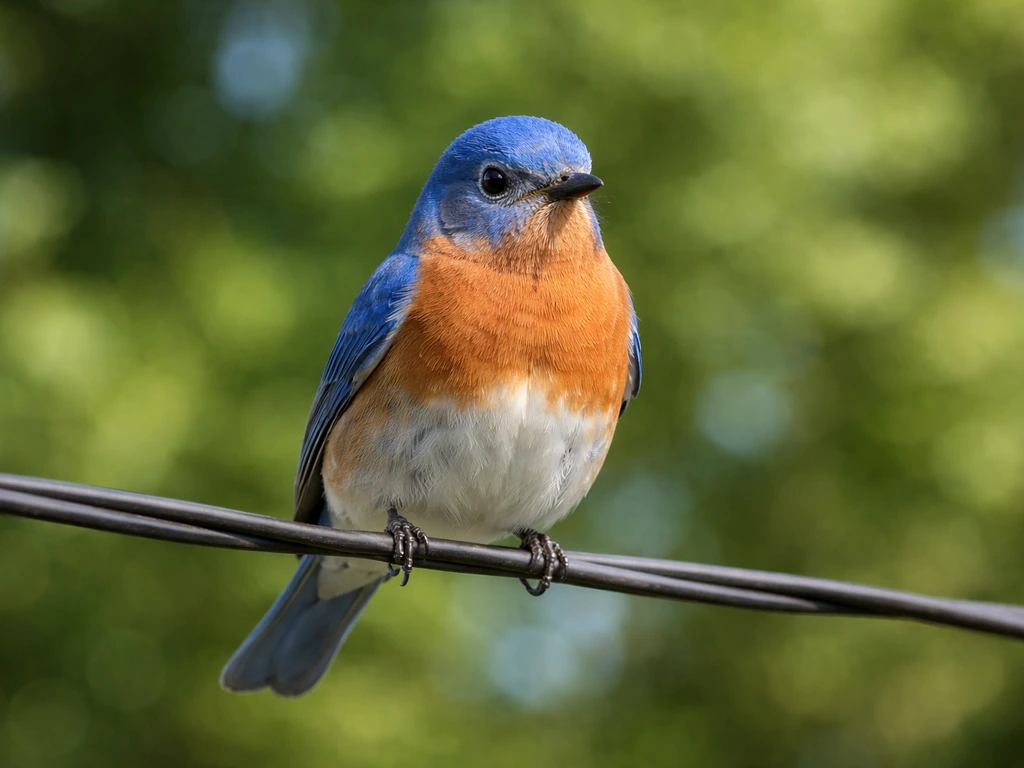
The most common usage in North America comes from colonial history. Early American settlers called the Eastern Bluebird a 'blue robin' because of its similar rounded shape and the warm reddish-orange breast that mirrored the European robin they knew from home. The Missouri Department of Conservation notes this nickname was in common use among early settlers, making the Eastern Bluebird a genuine 'blue robin' in the American folk tradition. If you're in the eastern or central US and saw a small, brilliant blue bird with a rust-orange chest, this is almost certainly what you saw.
In Europe and parts of Asia, 'Siberian Blue Robin' refers to Larvivora cyane, a strikingly beautiful small bird with deep blue upperparts and a snow-white belly, separated by a black line running from the eye to the wing. In the UK it's an extremely rare vagrant with only a handful of recorded sightings ever. If you're in Britain and spotted something matching that description, you saw something genuinely unusual, which itself carries spiritual weight. In the US, this species also has official recognition through the US Fish and Wildlife Service but is not a backyard bird by any stretch.
There's also a third group of readers who simply saw a robin (American or European) in a light or setting that made it look distinctly blue-toned, perhaps at dusk, in shade, or through a window. That perception is valid too. Sometimes the spiritual message is carried by what you perceived, not just the strict taxonomic identity of the bird. Trust what you saw and felt in the moment.
Robin energy meets blue color energy: the core spiritual blend
To understand a blue robin spiritually, you need to understand both pieces separately and then feel how they combine.
What robins symbolize across traditions
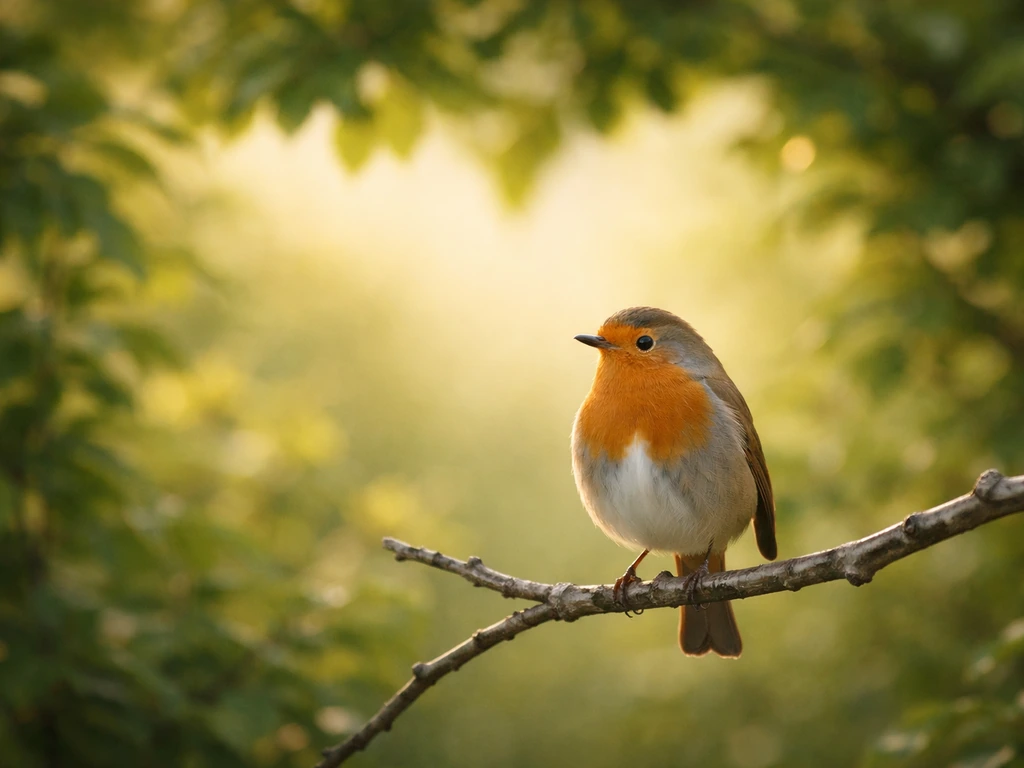
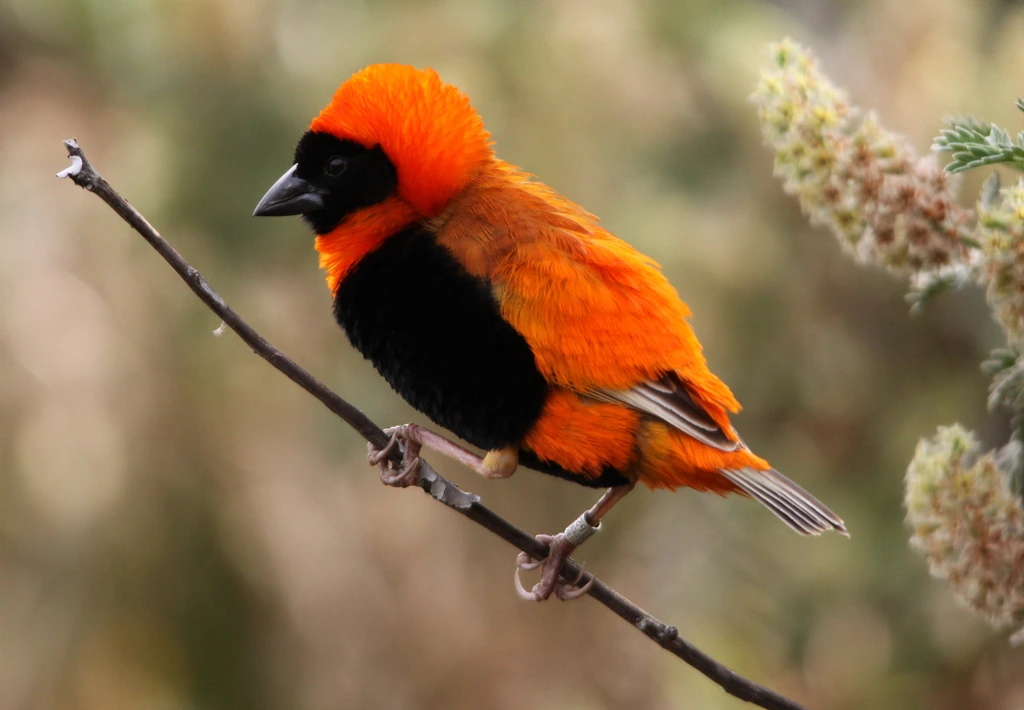
Robins carry one of the most consistent symbolic profiles of any bird in spiritual traditions. The red bishop bird spiritual meaning also centers on guidance, transformation, and speaking from the heart when you feel called to act. In Celtic and British folk belief, the robin is a messenger from the spirit world, often understood as a soul of a loved one checking in. In Christian symbolism, the robin's red breast is associated with compassion and sacrifice.
Native American traditions often view robin-like birds as harbingers of spring, new beginnings, and the renewal of the emotional body. Across most traditions, the core message is: something is waking up. Whether that's a relationship, a creative project, your own courage, or a spiritual awareness you've been ignoring, the robin signals that the dormant season is ending.
Robins are also strongly associated with the heart space. They show up when people are processing grief, re-opening to love after loss, or standing at the edge of a major emotional shift. If the idea of a robin landing near you brings up feelings, that emotional response is data.
What the color blue adds to that message
Blue is associated with the throat chakra in Eastern healing traditions, which governs communication, authentic self-expression, and the ability to speak your truth. It's also linked to the third eye area, connecting to intuition, spiritual clarity, and inner knowing. More broadly, blue carries energy of calm, protection, trustworthiness, and emotional healing. When blue appears on or around a bird that already symbolizes emotional opening and new beginnings, it tends to amplify the communication dimension: you're not just being called to feel something new, you're being called to say it out loud, to yourself and possibly to others.
In many spiritual frameworks, blue birds in particular (bluebirds, blue jays, indigo buntings) are seen as carriers of sky energy, connecting the earthly and the divine. They can act as reminders that you have access to guidance if you get quiet enough to listen. The blue robin, combining both the emotional warmth of the robin and the spiritual clarity of blue, is essentially saying: your heart knows the answer. Now find the words.
What your specific encounter likely means
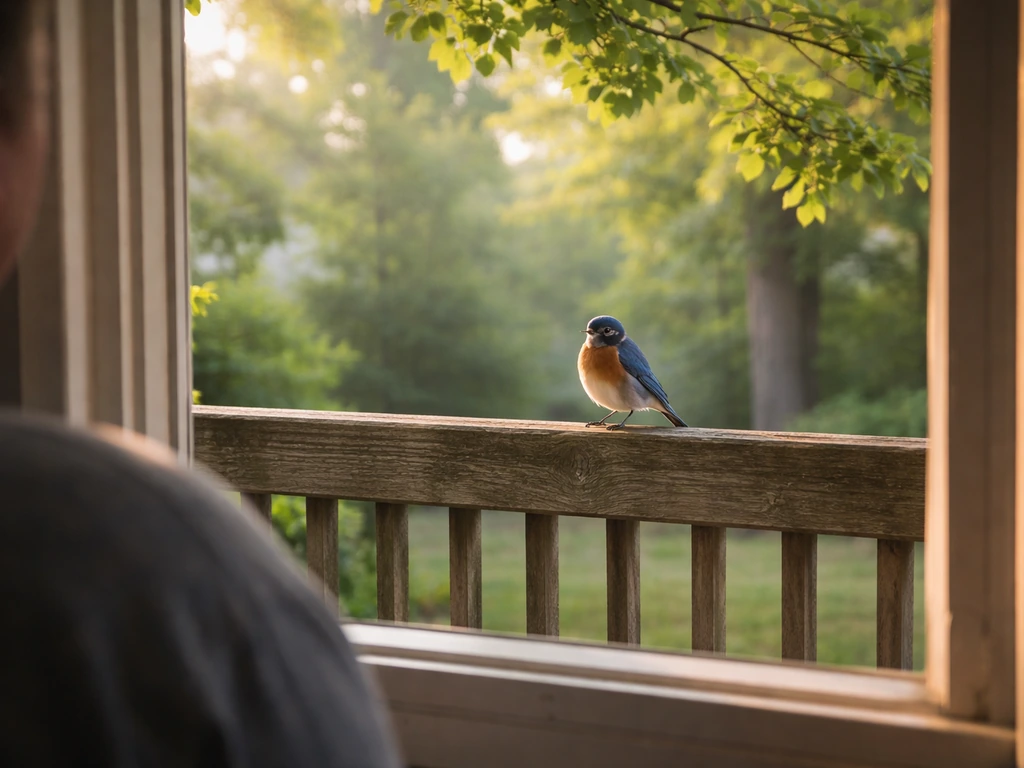
The circumstances of how you encountered this bird matter a lot. Here's how to read the most common scenarios.
Simply seeing a blue robin nearby
A straightforward sighting, the bird in your yard, on a wire, in a tree near where you're sitting, is typically an invitation to notice where renewal is trying to happen in your life. Ask yourself what's been stuck or dormant. The blue energy adds a nudge toward honest communication: is there something you've been meaning to say or write or admit to yourself? The bird's presence is a gentle prompt, not an alarm. It's saying 'now is a good time' not 'this is urgent.'
The bird lingers, follows you, or keeps returning
When a bird breaks the usual boundary of wild-creature-keeps-its-distance and starts behaving in an unusually persistent or bold way, many spiritual traditions read that as a stronger, more direct message. A blue robin that follows you through the garden, returns to the same spot multiple times in a day, or seems unfazed by your presence is escalating the signal. It's less of a gentle nudge and more of a 'please pay attention.' This is the moment to get really honest with yourself: what have you been avoiding thinking about? What conversation keeps getting postponed? What truth are you dancing around?
The bird lands on you or comes unusually close
Physical contact or near-contact from a wild bird is rare and striking. Across nearly every spiritual tradition I'm aware of, this is treated as direct, personal communication from the natural world. With a blue robin specifically, I'd take this as a clear message that something deeply personal needs your attention, and that you are protected and supported in addressing it. Some readers describe feeling an immediate emotional response when a bird lands on them, tears, a rush of warmth, or a sense of being known. Honor that. The body often receives the message before the mind does.
Tapping on your window
Window-tapping is one of the most common bird behaviors that brings people to sites like this one. There are two layers to interpret: the bird (blue robin's message) and the window (a threshold, a boundary between inside and outside, between what you show the world and what you keep private). A blue robin tapping on your window is often interpreted as a message trying to get through from the spiritual realm, or from your own deeper self, about something you've been keeping locked inside. The throat chakra connection of the color blue makes this especially pointed. Something inside you wants to be expressed, and it's knocking.
Timing and seasons: what the calendar adds to the message
When you see a blue robin matters as much as how you see it. Robins are strongly associated with spring, but their spiritual symbolism shifts depending on the season they appear in.
| Season / Timing | What It May Amplify |
|---|---|
| Spring (renewal season) | A new chapter is genuinely beginning. Trust it. This is a green-light sign. |
| Summer (growth season) | Something already started needs your full attention and care. Don't coast. |
| Autumn (release season) | Time to let go of something before the new can arrive. The blue adds: say your goodbyes out loud. |
| Winter (stillness season) | A robin in winter is a classic sign of hope in dormancy. The message is patience and spiritual trust. |
| During grief or loss | Strong association with spirit messages from loved ones who have passed, particularly in Celtic and folk traditions. |
| During a decision point | The blue energy specifically supports clarity. You likely already know the answer. |
| Repeatedly over days or weeks | Not coincidence. A theme in your life is trying to be acknowledged. Journal it. |
Since today is May 2026, a blue robin encounter right now falls in the heart of spring in the Northern Hemisphere. That seasonal alignment gives this sighting extra potency. Spring robin energy is at its fullest, and a blue-toned robin appearing now is an especially direct signal that a new beginning you've been hoping for has genuine spiritual support behind it.
The shadow side: injured, dead, or unusually behaving birds
Not every bird encounter feels uplifting, and it's worth being honest about that rather than spinning everything into a feel-good message. If your blue robin encounter had a darker tone, here's how to interpret it with care.
An injured blue robin
An injured bird often reflects something in the observer's own life that has been wounded but not yet acknowledged. The blue dimension here is significant: an injured throat chakra can mean suppressed voice, things left unsaid, or communication patterns that are hurting you. This isn't a punishment or a bad omen. Think of it as a mirror. Where in your life are you limping along instead of asking for help or speaking up? The practical step here: help the bird if you can (contact a wildlife rehabilitator), and then sit with the question of where in your own life you need tending.
A dead blue robin
In many spiritual traditions, a dead bird represents the completion of a cycle, not a curse. Something is ending, and that end is creating space for what comes next. A dead blue robin can symbolize the end of a period of confusion or miscommunication. The blue energy suggests the silence that follows an important conversation, the quiet after finally saying what needed to be said. If this feels sad, let it. Grief is part of transition. You don't have to rush through it to get to the 'spiritual lesson.'
Predation or a threatening scene
Witnessing a blue robin being chased or caught by a predator is jarring and can feel ominous. Spiritually, this is sometimes read as a warning to protect your own vulnerabilities, particularly your voice and your boundaries around authentic expression. Are you in a situation where speaking your truth feels genuinely dangerous? That instinct is worth examining. This kind of encounter rarely signals external danger; it more often reflects inner conflict about whether it's safe to be fully yourself.
How to interpret your encounter accurately
Here's the most honest thing I can tell you: bird symbolism is not a fixed dictionary. The meaning that matters most is the one that resonates with your life right now. These questions and steps help you move from 'what does this generally mean' to 'what does this mean for me today.'
Questions to ask yourself immediately after the encounter
- What was I thinking about or feeling just before I noticed the bird?
- What's the biggest unresolved situation in my life right now?
- Is there something I've been wanting to say or express that I keep holding back?
- Did I feel anything physically or emotionally when I saw the bird? (warmth, sadness, excitement, peace?)
- Has this bird or a similar one appeared to me before? When, and what was happening then?
- What's currently in transition or 'becoming' in my life?
A simple journaling method to lock in the interpretation
- Describe the encounter in plain detail: where, when, what the bird did, how long it lasted, how you felt.
- Write down what was on your mind or in your heart in the 24 hours before the sighting.
- Write one sentence that completes this: 'If this bird is carrying a message for me, it might be about...'
- Write what the blue color brings up for you personally (peace, sadness, the sky, a memory, a person).
- Write down one action this message might be asking of you, even if it feels small.
- Come back to the journal in three days and note whether anything shifted or clarified.
That's genuinely all you need to do to get a working interpretation. You don't need to cross-reference every tradition or find the 'right' answer. Your honest response in the journaling process is the interpretation that will serve you most.
Practical rituals and next steps to honor the message

If you want to actively engage with the message rather than just receive it, these are simple, grounded ways to do that. None of these guarantee specific outcomes, but they create a conscious point of contact between you and what the encounter stirred in you.
For a message about communication or speaking your truth
Write a letter you don't have to send. Address it to the person, situation, or part of yourself that needs to hear what you've been holding back. Blue candles or blue stones like blue lace agate or aquamarine can be placed nearby as a focal point while you write. Read the letter out loud, even if only to yourself. This simple act of voicing the words, even in private, activates the throat chakra energy the blue robin pointed to.
For a message about renewal and new beginnings
Plant something, literally or symbolically. If you have a garden, put something in the ground. If you don't, start something small and new: a document, a sketch, a first step toward a project you've been circling. Then say out loud or write: 'I am open to what is beginning.' The robin's energy responds to action, not just intention. Take the smallest real step available to you today.
For a message from a loved one who has passed
If your intuition tells you the bird carried a message from someone you've lost, honor that without overthinking it. Set out a small offering, a flower, a glass of water, a photo, and speak to them as if they could hear you, because in many traditions, they can. Thank them for checking in. Tell them what's happening in your life. You don't need to subscribe to any particular belief system to find comfort in that practice.
An affirmation to carry forward
If rituals aren't your thing, simply return to this affirmation over the next few days: 'I trust the renewal that is unfolding in my life. I speak my truth with calm and clarity. You can also explore the redstart bird spiritual meaning if you want to compare messages from different birds that symbolize communication, renewal, and inner guidance. I am guided.' Repeat it when you feel uncertain about whatever situation the bird encounter pointed to. It keeps the channel open.
Putting it all together
A blue robin, whether it's an Eastern Bluebird with that settler-era nickname, a rare Siberian Blue Robin, or a robin seen through a particular light that made it feel unmistakably blue, carries a layered, meaningful message. At its core: something new is available to you, and your ability to receive it is tied to your willingness to communicate honestly, with yourself first and then with the world around you.
If you enjoy exploring bird symbolism across species, you might find it interesting to compare this with the symbolism of the red cardinal and robin (birds associated with heart-energy and spiritual messages from the departed) or the American Redstart, another small bird whose vivid coloring carries its own spiritual signature. If the red cardinal has also been showing up for you, its bird meaning spiritual message is often linked with love, courage, and guidance from the heart.
Each species has its nuance, and paying attention to what you actually feel during these encounters is always the most reliable compass.
FAQ
How can I tell whether “blue robin” meant an Eastern Bluebird versus a blue-tinted robin I just perceived in the light?
Look for a rust-orange breast and a compact “blue with orange” pattern (more consistent with Eastern Bluebird). If you only saw a blue tint on an otherwise typical robin shape, lighting, shade, window reflections, or dusk can shift color. If you can remember the size and whether the bird had a strong black eye line or distinct belly pattern, that usually clarifies the species category for the spiritual reading.
What should I do if I keep seeing a blue-toned bird but I am not sure it was actually a “blue robin”?
Treat it as a “theme” sign rather than a species-specific guarantee. Focus on what was happening emotionally and practically in your life at each sighting, and ask what communication, boundaries, or renewal action keeps coming up. If the feelings stay consistent across multiple days, the message is likely tied to that pattern rather than perfect identification.
Does the spiritual meaning change if the bird is near my home but I never directly notice it (for example, it appears when I look away)?
Yes. If you repeatedly encounter it in the periphery, it can indicate slow-but-steady prompting rather than an urgent message. Instead of pushing for one big conversation, try smaller “throat chakra” actions first, like sending one honest text, finishing one draft, or naming one truth in journaling.
What if my emotional reaction to the blue robin was fear or discomfort instead of hope?
That reaction is still meaningful. It may be signaling that the message is about safety and boundaries, not optimism. Check whether you have been withholding your voice because you fear consequences, and choose a low-risk way to speak up (practice wording, ask for clarification, or start with “I feel…”).
If the bird tapped my window, does that mean I should open up to someone immediately?
Not necessarily. Window-tapping can point to a boundary theme, so the “next step” can be internal first. Try writing or speaking the truth to yourself, then decide whether to share it externally. If the truth could destabilize a relationship, consider a gradual approach (one careful conversation, then reassess).
How should I interpret an injured or dead blue robin if I am grieving?
Use it as a prompt for completion and care, not as a prediction. For grief, the useful step is stabilization: honor the loss, reduce pressure to “move on,” and do one practical tending action (rest, therapy support, or memorializing). If you feel stuck in self-blame, the blue throat theme can be: say what you need to say to your support system.
Is it meaningful if the blue robin shows up after I have been avoiding a conversation for weeks?
That timing is often significant. When sightings cluster after avoidance, the signal usually points to communication readiness. Choose a concrete, bounded action, like scheduling a 15-minute talk, drafting a message you can edit, or setting a date to revisit the topic so it stops living in your head.
What if the bird was bold and close, but I do not feel spiritually inclined?
You can still take a grounded meaning. Bold behavior can be read as “pay attention,” so focus on your immediate environment and inner state. Ask yourself what needs attention today, then do one step that improves your situation, such as making a phone call, setting a boundary, or taking a small creative action.
Are there safety or practical steps I should take in real life, not just spiritually?
Yes. If the bird appears sick, injured, or trapped near your property, contact a local wildlife rehabilitator rather than trying to handle it. If you have pets or small children, keep distance and prevent chasing. Spiritual interpretation becomes more helpful when paired with basic care and responsibility.
How long should I “act” on the message from a blue robin?
Pick a short window, usually 24 to 72 hours, for the first response. If the insight is clear, act sooner with a small step (write, speak, or set an appointment). If it is unclear, revisit in a week and check whether the same communication theme still dominates your thoughts and emotions.
What if I see other blue birds too, like blue jays or bluebirds, what changes about the meaning?
Multiple blue species often intensify the “communication and clarity” theme rather than changing it. The difference is in how specific the moment feels. If you feel calm and guided, the meaning leans toward trusting intuition, if you feel restless or pressured, it can be signaling boundary setting and truthful pacing.
Can I connect this to a specific chakra or practice, like throat chakra work?
Yes. Since blue aligns with the throat center, try a short daily practice tied to expression: read a page out loud, sing softly, or do a breathing exercise and then speak one honest sentence you have been avoiding. The goal is to train calm, truthful communication, not to force a perfect outcome.
Next Article
Red Bishop Bird Spiritual Meaning: What It Usually Signifies
Decode red bishop bird spiritual meaning: love, creativity, leadership, protection, and how encounters signal guidance o